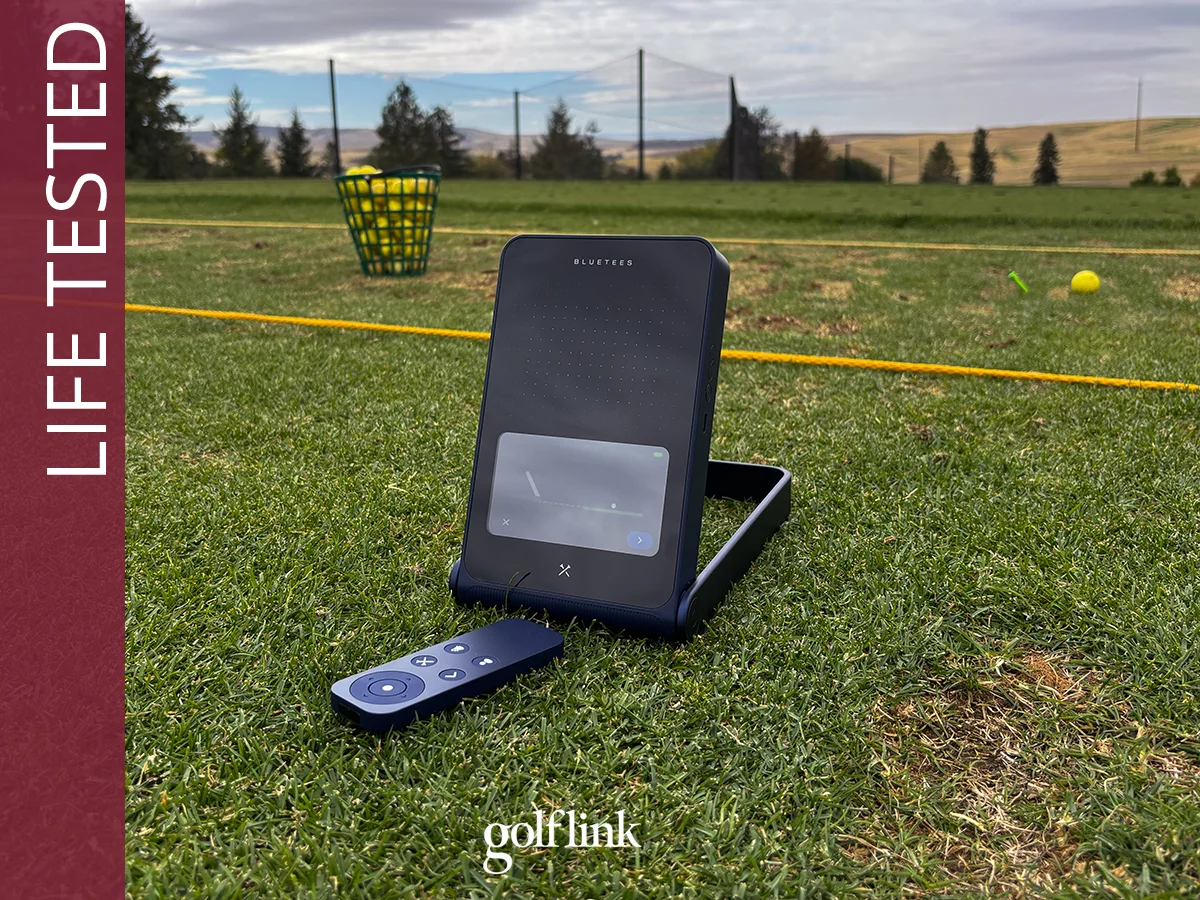
Before you buy a launch monitor, answer one question: what do you actually want out of it?
Some golfers want a better version of hitting balls in the garage all winter. They just need a few numbers on a screen, a little competition with themselves, and a way to stay connected to the game when courses are closed.
Other golfers need hard data they can use to identify and improve their weaknesses, and pick the right club when they’re 160 yards from the hole in the fairway.
The $499 Blue Tees Rainmaker is built for the first golfer. I tested it in my garage, at the range and shot for shot against my SkyTrak ST Max. I'd happily hand it to someone who wants to stay engaged with their game. I wouldn't hand it to someone building a yardage book.
How We Tested Blue Tees Rainmaker
I considered the Rainmaker against both goals: is it fun and easy enough to keep you hitting balls, and are its numbers good enough to help you improve? Here’s how I tested to answer those questions.
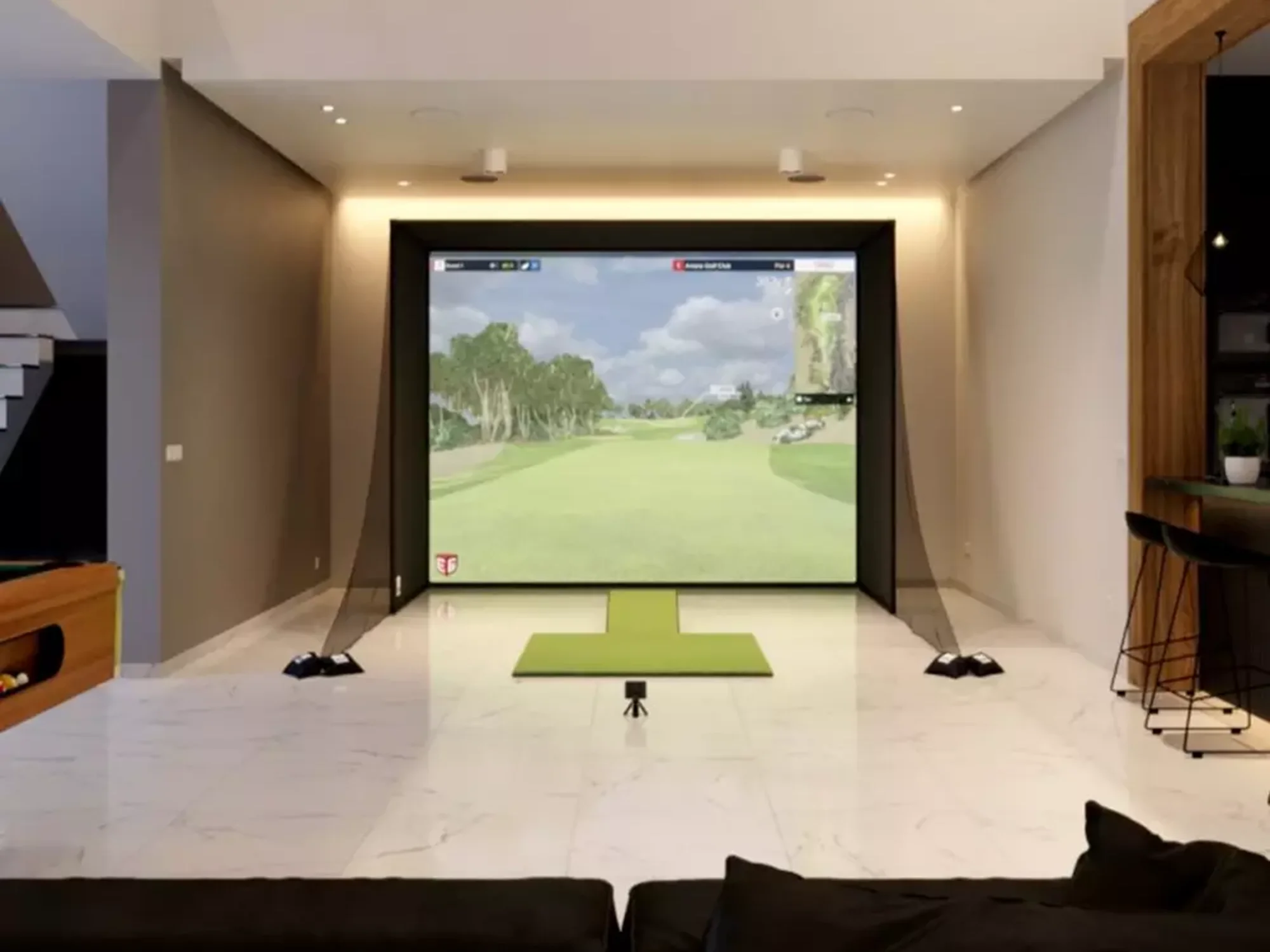
- Indoors, in my garage. I hit off a mat into a screen with the unit set on its case level with the ball.
- Outdoors, at the driving range. I hit off grass on a slightly downhill range with enough wind to affect distance.
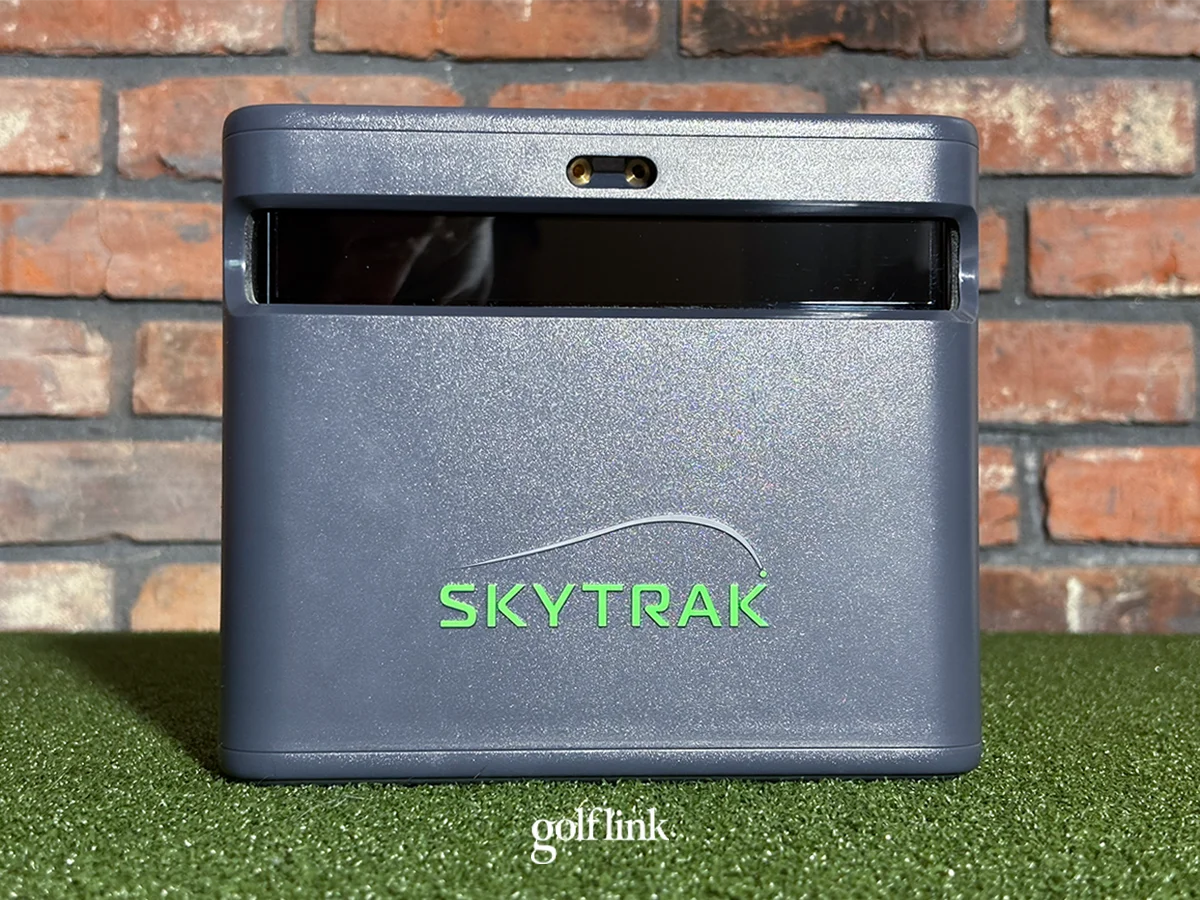
- Side by side with a SkyTrak ST Max. Both units tracked the same 10-shot 9-iron target session and a 10-shot 8-iron practice session.
The ST Max is a baseline comparison, not a head-to-head opponent. I've used it all season, so it gives me strong context for how the Rainmaker's numbers stack up.
Blue Tees Rainmaker Specs & Features
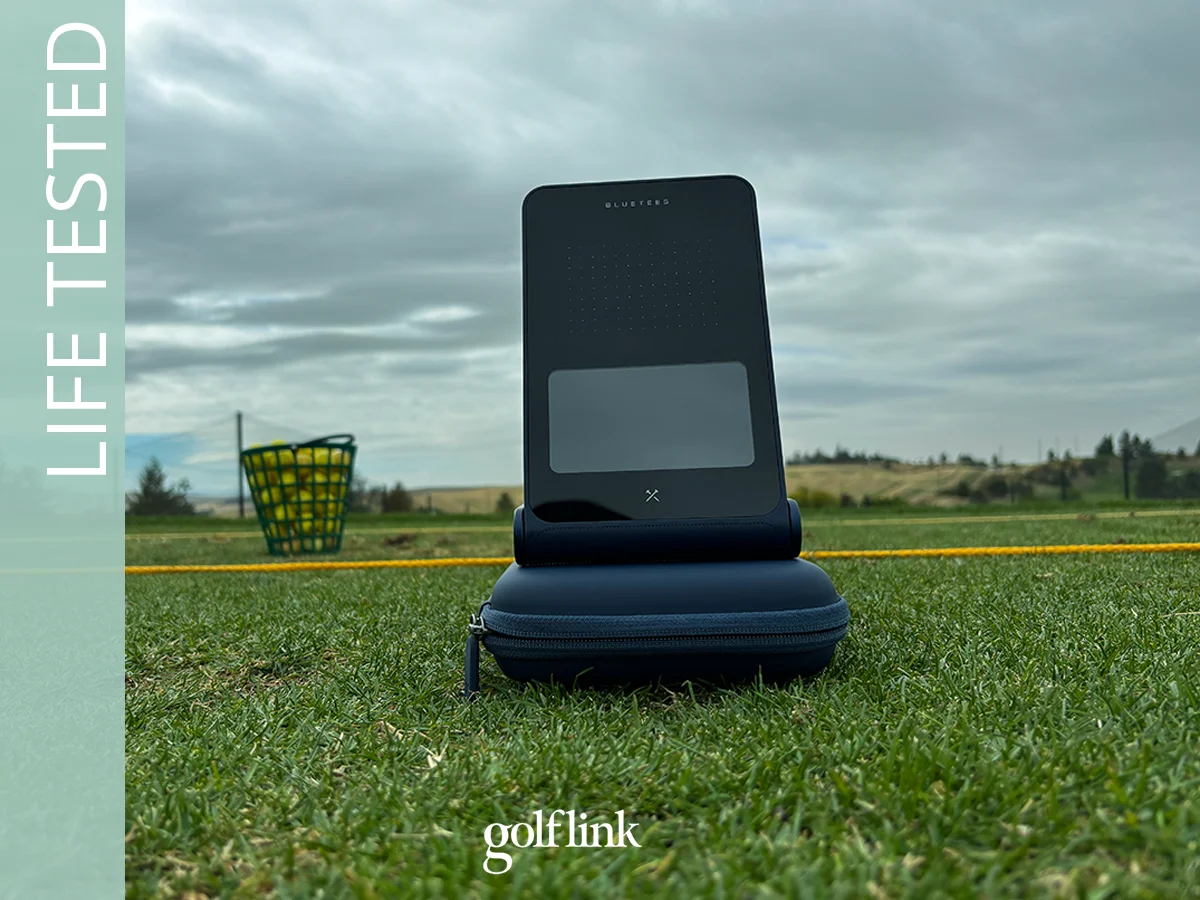
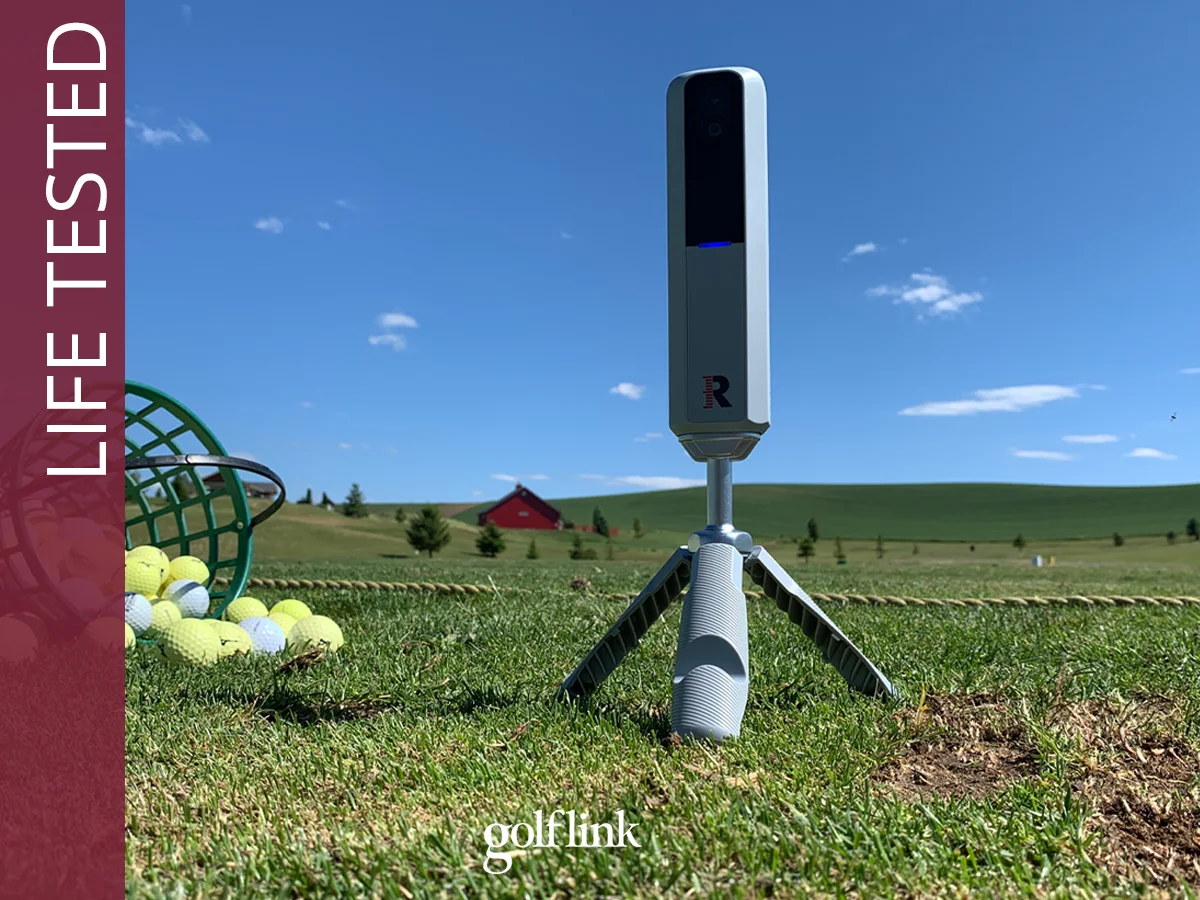
The Rainmaker is a Doppler radar unit with its own screen, so you can use it with or without the app.
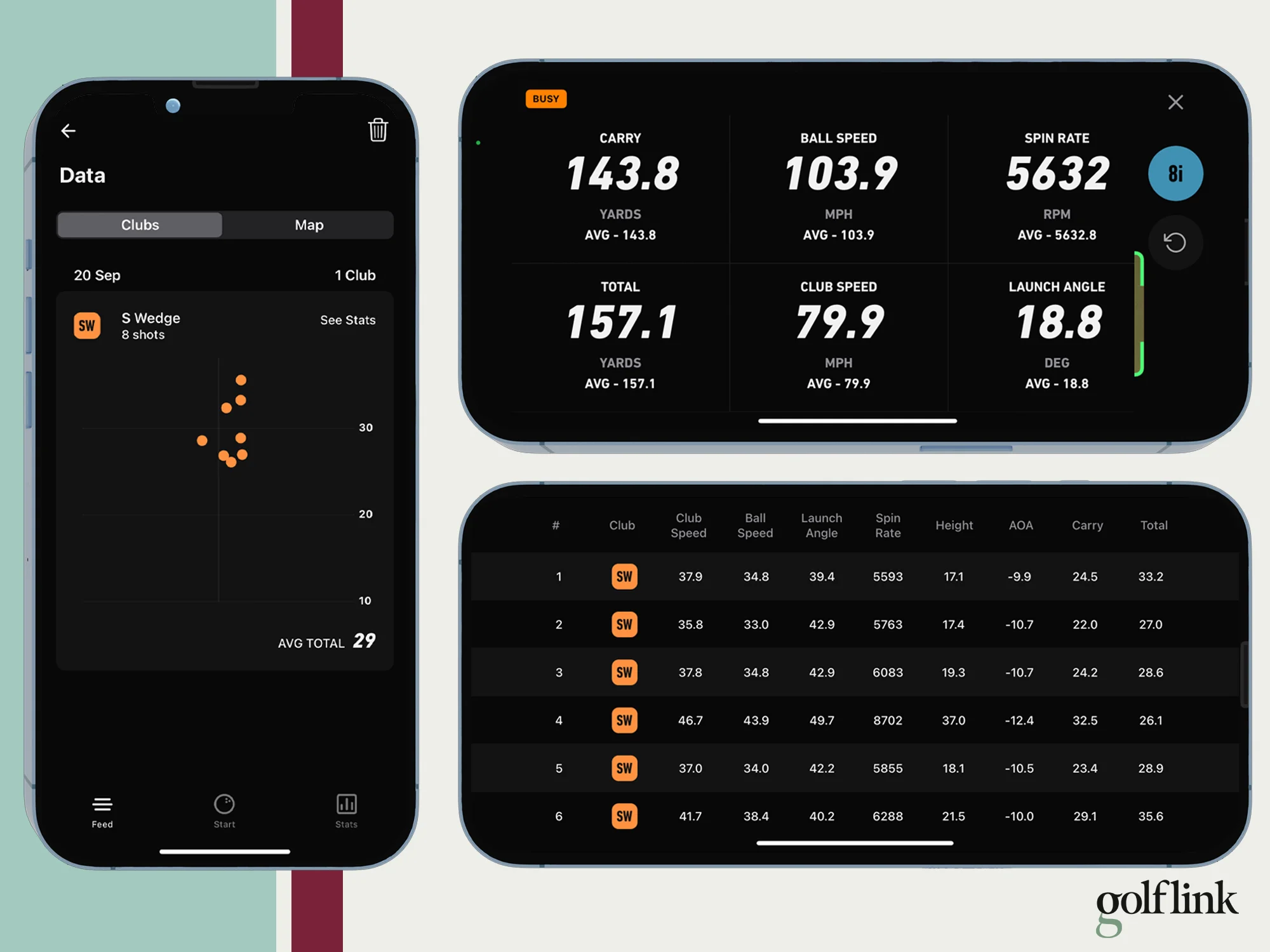
The unit has three standalone modes: Practice, Swing Speed and Target Distance. The LAUNCH app adds a virtual range, dispersion views, session history and a My Bag setup. Blue Tees also includes one free year of its AI Analytics package.
- Price: $499 (sale), $599 (regular)
- Technology: Doppler radar
- Display: 4.3-inch LCD with 1-, 4- and 9-tile layouts
- Metrics: 20+ listed, including carry, total, ball speed, launch, spin, apex, attack angle, club path and offline
- Carry range: 16–372 yards
- Setup: 5 feet behind the ball, level with it
- Battery: 6+ hours, USB-C charging
- Durability: IPX4 splash-resistant
- Storage: Up to 1,000 shots on the unit
- Bag: Up to 30 custom clubs (Player 1 profile)
- Sim software: GSPro and E6 (separate subscriptions required)
- In the box: Unit, carrying case, magnetic remote, USB-C cable
- Warranty: 2 years, plus 100-day money-back guarantee
Accuracy & Data
The Blue Tees Rainmaker is accurate enough to have a good time, but not accurate (or thorough) enough to offer real game improvement. This is where shoppers hit a fork in the road. If you want something entertaining and affordable relative to the market, you'll enjoy the Rainmaker. If you're a frustrated player looking to dig into your data and turn weaknesses into strengths, this isn't the unit for you.
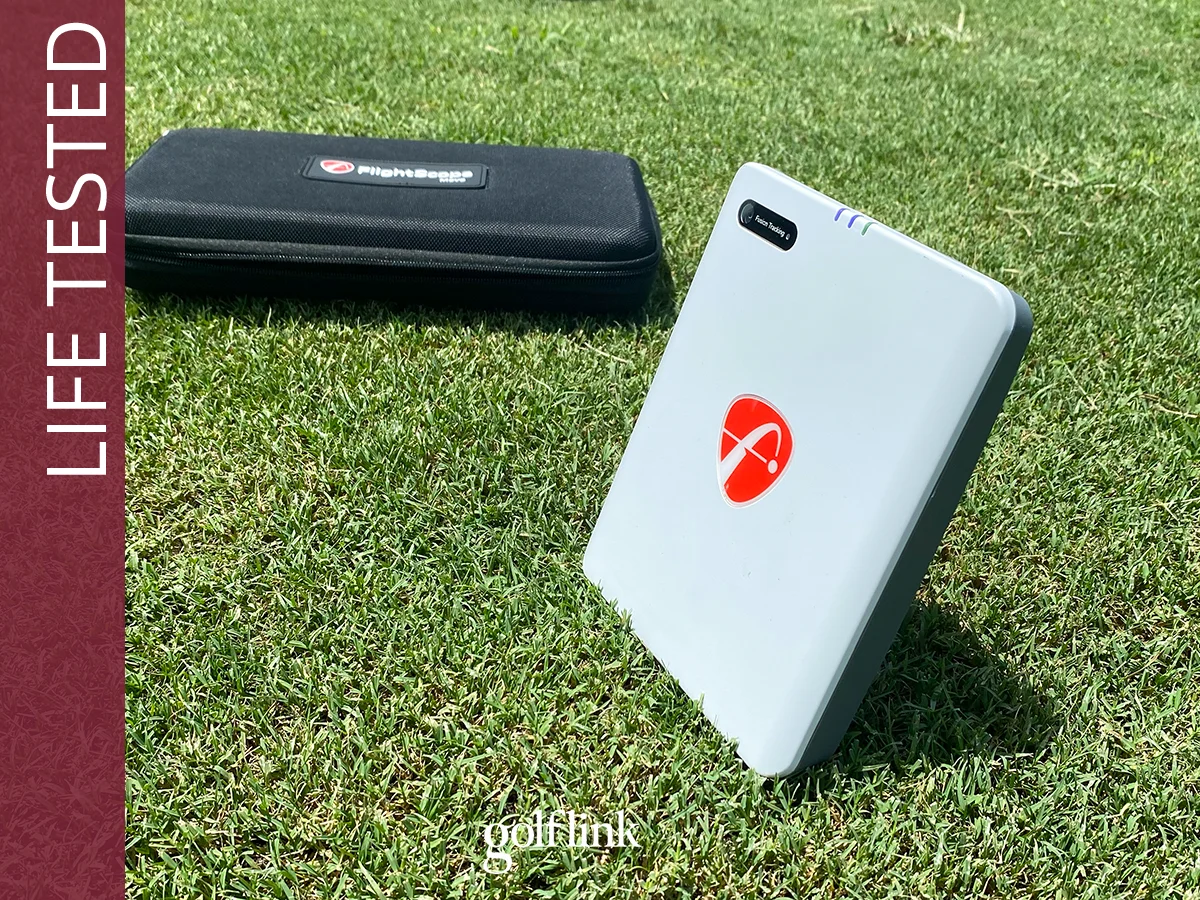
One caveat before the numbers: Blue Tees says the Rainmaker is (or will be soon) compatible with RCT (Radar Capture Technology) balls, which are designed to help radar-based launch monitors read spin more accurately. I didn't test with RCT balls. Optimistically, pairing it with RCT balls could return better spin numbers which would have a domino effect that would improve side spin, offline, descent angle, and total distance numbers, but I wouldn't expect them to close the gap completely.
Club speed, ball speed and carry distance were close to the SkyTrak ST Max. With a 9-iron to a 125-yard target, carry was within two yards on eight of 10 shots. The other two were off by three and four yards. Ball speed was within 2 mph on eight of 10 shots. In a second 10-shot comparison session with an 8-iron, carry averaged 2.5 yards short of the ST Max, and club speed was within 2 mph on eight of 10 swings. All in all, that's pretty good.
That's about where the useful information ends. In the 8-iron session, the Rainmaker consistently read a lower launch, lower apex and less spin than the ST Max. That added up to a descent angle 9 degrees shallower and about 7 more yards of roll.
Direction was the most concerning part. The SkyTrak, which GolfTec uses in its lessons, had my average distance from center at 10 yards with shots finishing both left and right of the target. That checks out with what I see on the golf course and driving range regularly. The Rainmaker had me at 19.3 yards offline, nearly double the distance offline from the same 10 swings. I rechecked alignment whenever the numbers looked off, and it was always where the manual says it should be. For a player trying to tighten scoring-club dispersion, that sends you down a rabbit hole with no good way out.
Offline data is also hard to find in the Rainmaker experience. It isn't one of the nine data points on the 9-tile screen. In the app, it doesn't appear on the screen that shows the shot's ball flight, only on a table of numbers that pops up after each shot. So you have to choose between seeing the data or seeing the ball flight, or just dive deeper into the data after your session. All of those options, in my opinion, are a compromise.
I saw the same problem at the range. About half the time, the ball flight the Rainmaker illustrated looked nothing like what the ball actually did in the air.
When it’s good, it’s good. It just wasn’t good often enough that I would base decisions off of it, which is disappointing since that’s one of the key advantages of a launch monitor in the first place.
8-iron, 10 shot averages | ST Max | Rainmaker | Difference |
Carry (yds) | 132.5 | 130.0 | -2.5 |
Ball speed (mph) | 99.5 | 97.5 | -2.0 |
Launch angle | 21.4° | 16.1° | -5.3 |
Apex (ft) | 67.8 | 51.5 | -16.3 |
Backspin (RPM) | 6,076 | 4,427 | -1,650 |
Descent angle | 44.2° | 35.3° | -8.9 |
Roll (yds) | 5.5 | 12.2 | +6.7 |
Distance from center (yds) | 10.0 | 19.3 | +9.3 |
User Experience
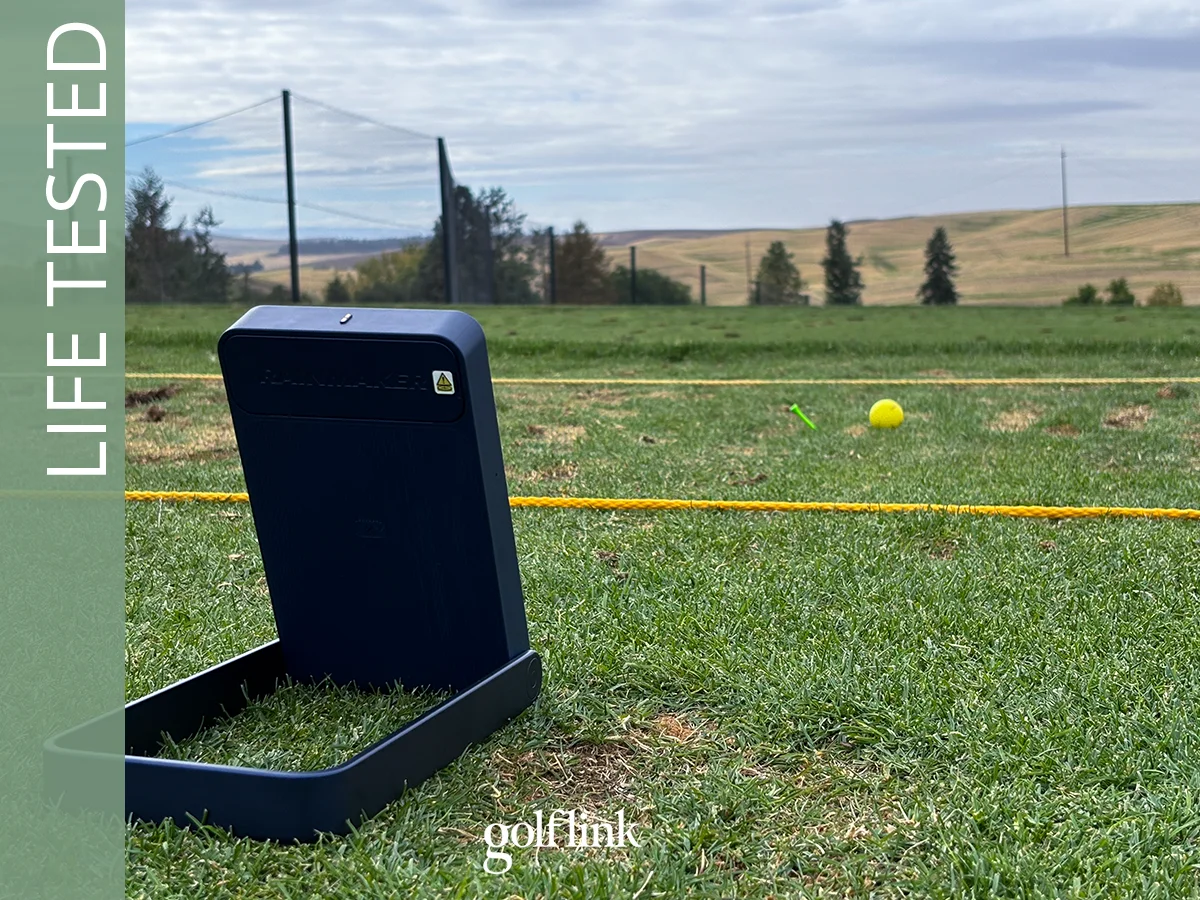
The hitting experience is the Rainmaker's strength. What you can do with the data afterward is its weakness.
During a session, it's easy to love. You open the app, pair the unit and start hitting, with no computer or cables. You can even use it as a standalone unit, which is super convenient. Indoors I never waited on a number: hit, grab the ball, read the screen. The case is the same height as a hitting mat, so it doubles as a level stand. Changing clubs or views with the magnetic remote is easy, too. From this standpoint, the UX is smooth.
However, there are a few annoyances. You can only select four metrics to appear on the app screen during a session. Even though there isn’t a ton of real estate on the screen, I would have liked more. Also, the smash factor reading on the unit shows one decimal place, but a 1.2 reading tells you a lot less than 1.27.
As with most units, hitting off grass outdoors requires you to move the unit as you move the ball back with your divot pattern. Not a huge issue to adjust it when you swap clubs, but it’s still one more task to babysit.
After a session, it’s tough to dig into the data. A Target Session gives you only carry and total distances, and if you tap a shot you can see ball speed and apex as well. The app tracks shot shape and dispersion live, but I couldn't pull up dispersion from a Target Session afterward. That's the number you'd use to plan a tee shot or pick an approach shot target. Lastly, there's no export option or desktop dashboard where you can take a deep dive into your data.
Key Features and Use Case
The Rainmaker's best features are the ones that keep you hitting balls.
- 30-club custom bag. This one sounds small, but it's huge. Launch monitor owners aren’t the type to own just 14 clubs. We're always testing new drivers and wedges against old ones, and some units I've used cap the bag at 14.
- Guest mode. Guest shots aren't saved, so you can use it for warm-up swings and half swings to easily keep them out of your averages.
- Standalone screen and modes. Practice, Swing Speed and Target Distance modes all run with or without the app.
- Sim software support. It works with GSPro and E6, which adds a lot of winter entertainment if you already subscribe.
The right use case is winter practice, speed training, distance control (carry), and warm up. For those needs, it’s quick, easy to use, and reliable.
The wrong use case is building on-course yardages or studying your misses, or improving your ball flight, because the app doesn't give you the dispersion, shot shape, or reliable enough trajectory data to optimize those parts of your game.
Blue Tees also pitches Rainmaker as a companion to its new Captain series of rangefinders. On paper, the Captain Air and Captain Pro rangefinders are supposed to tap into your Rainmaker launch monitor data to provide personalized club recommendations on the golf course. But that functionality isn’t live yet, and given my experience with Rainmaker’s dispersion data, I’m not sure how much of a loss that really is.
Price and Value
Whether $499 is a good deal depends on what you're buying it for.
Yes, that price puts it in the budget launch monitor category and from a high-level, it’s a great time to be alive when we can get such a capable unit for that price. If you want something fun that keeps you engaged, the price is fair. You get a two-year warranty and a 100-day return window, and the core app needs no subscription. It's an easy way to make a garage net or a winter range session more interesting.
But ultimately, if you want data to make your game better, I think you’ll be disappointed. A launch monitor you can't trust for total distance or shot shape has a relatively low ceiling for game improvement.
Who Should Consider It (and Who Shouldn't)
Consider the Rainmaker if you want to stay engaged with your game:
- You want a reason to hit balls in the garage or at the range year-round
- You care about speed and carry trends more than dispersion
- You like having a launch monitor that lives in your golf bag
- You want the simplicity of a standalone unit that doesn’t have to be paired with an app or computer
Consider something else if you want data to improve with:
- You'll base on-course club and target decisions on your numbers
- You need reliable shot shape, dispersion or total distance
- You want to export sessions or dig into them on a desktop
The bottom line: the Rainmaker is a fun, convenient way to keep golf in your routine when the course isn't an option. It isn't a tool for fixing your weaknesses or managing your way around a course, at least not yet. Firmware updates and the promised RCT ball support could narrow that gap. For now, buy it for the first reason, not the second.