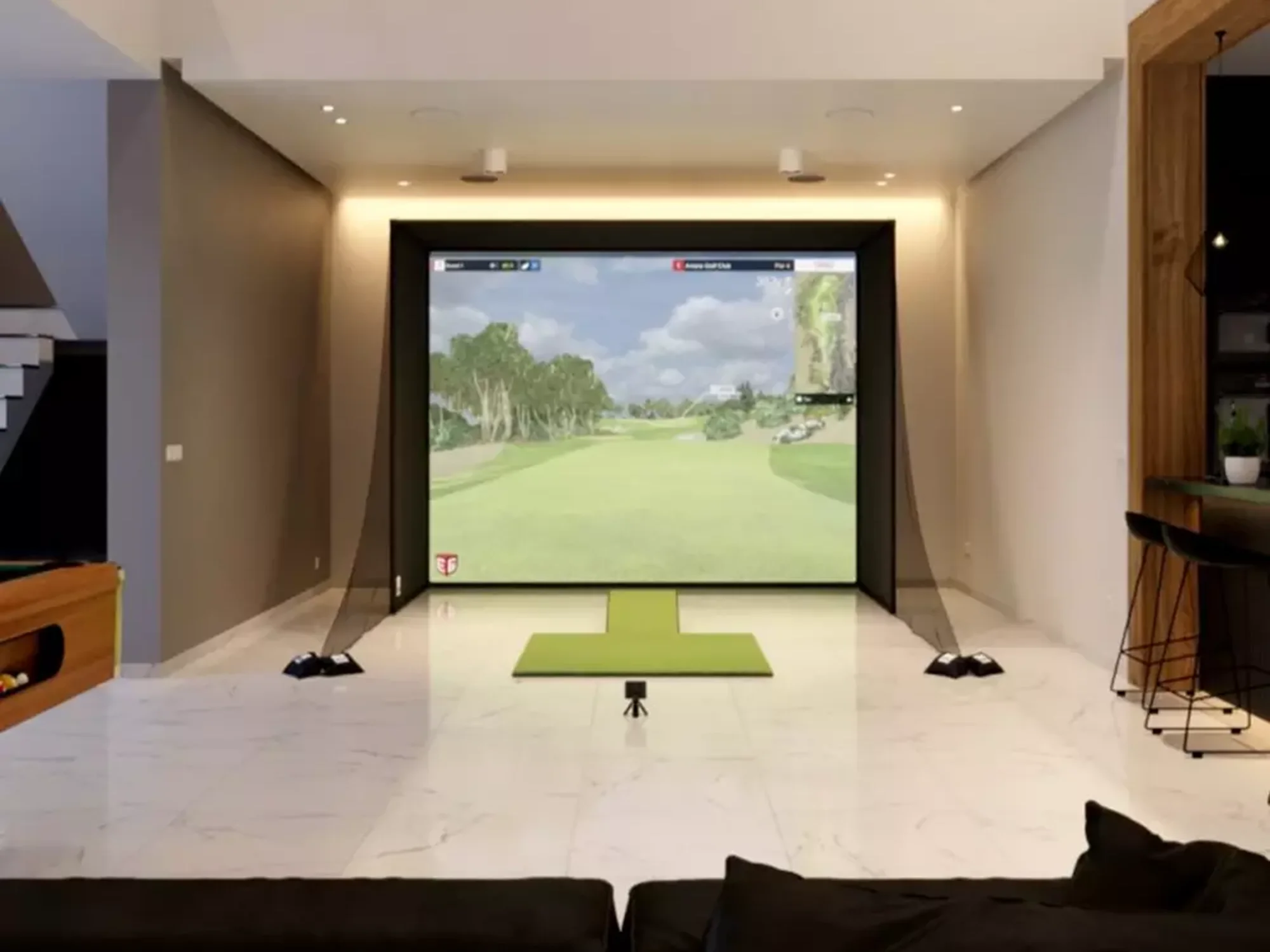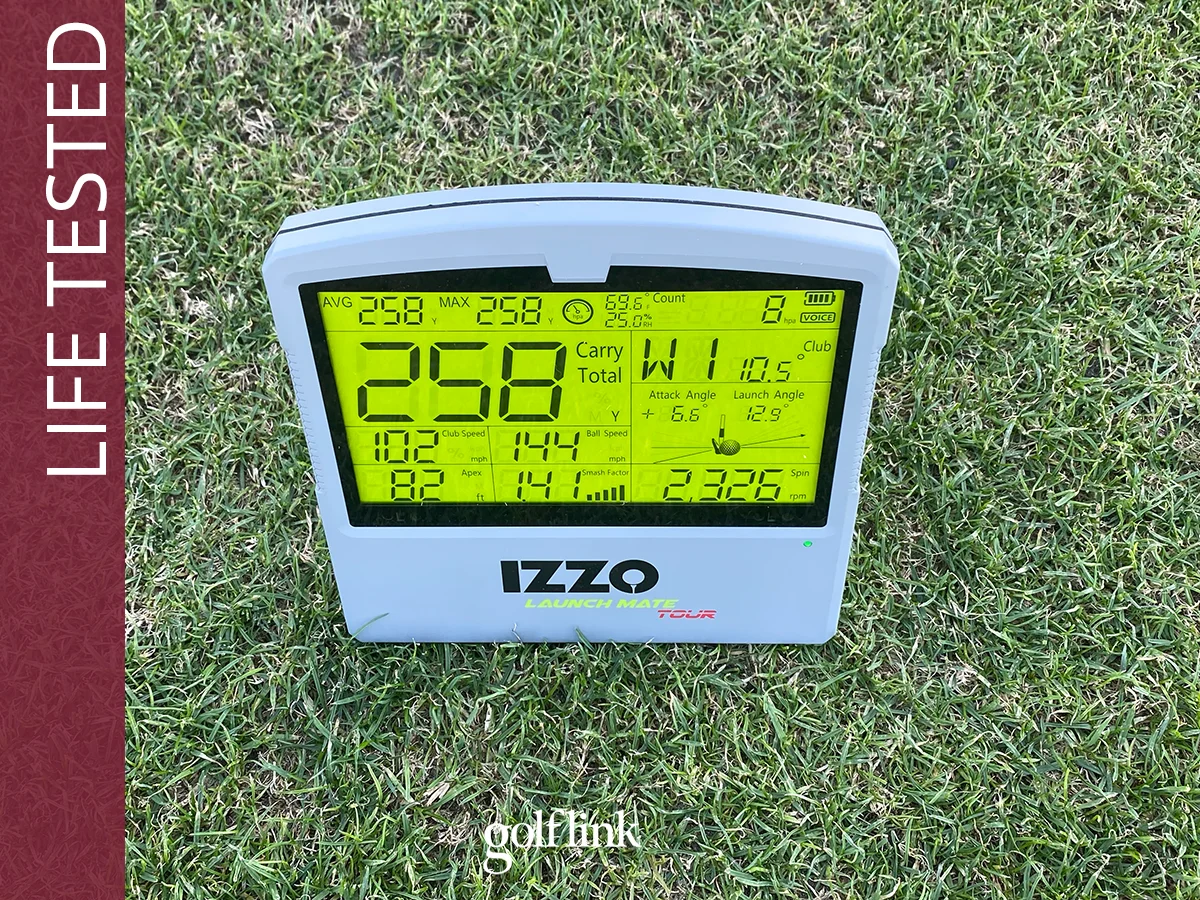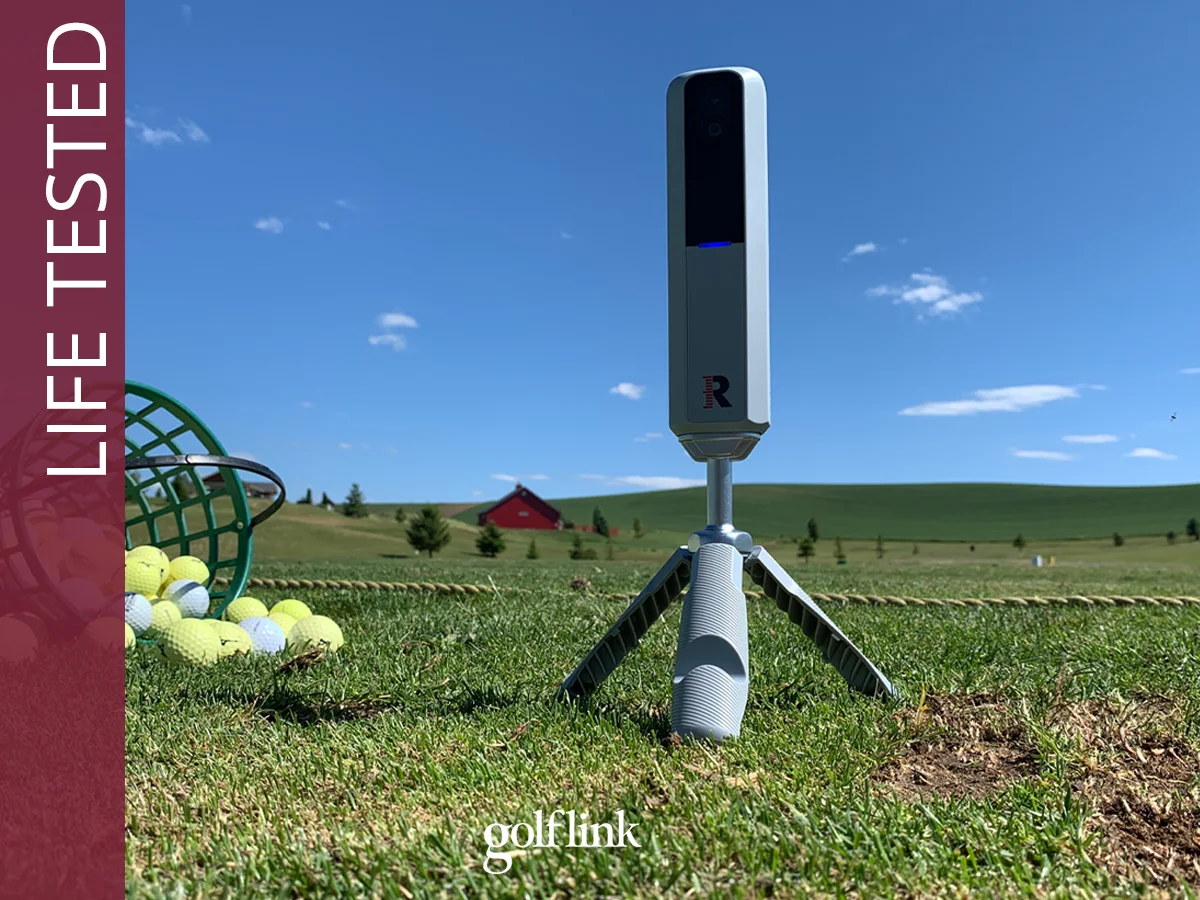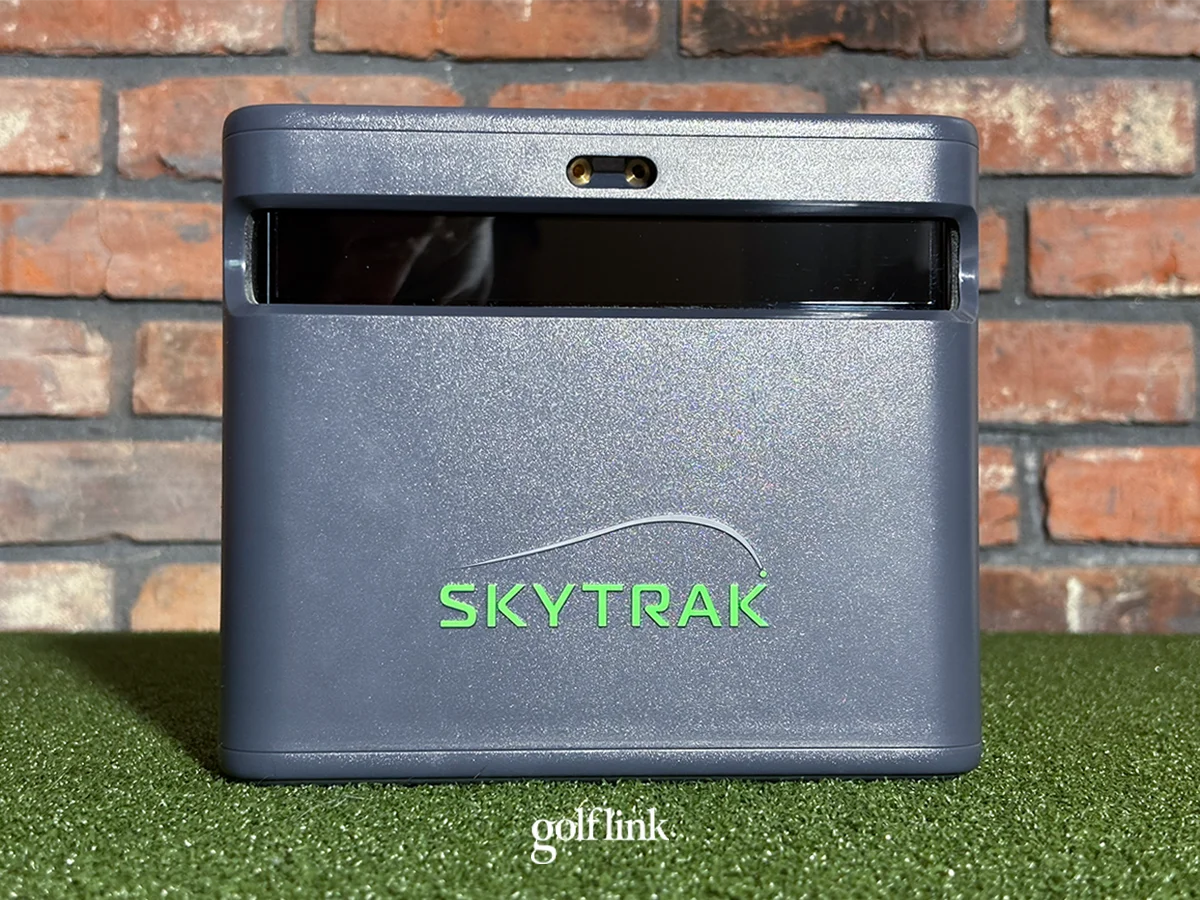
Two thwacks, and that's it. Club into ball, ball into net. Practicing in your garage is better than not practicing at all, but you have no idea if it went 230 yards or 260. You just see a ball disappearing into mesh.
For a long time, your only options for indoor golf practice were guessing distances, or a painful tap of the credit card to buy a professional launch monitor.
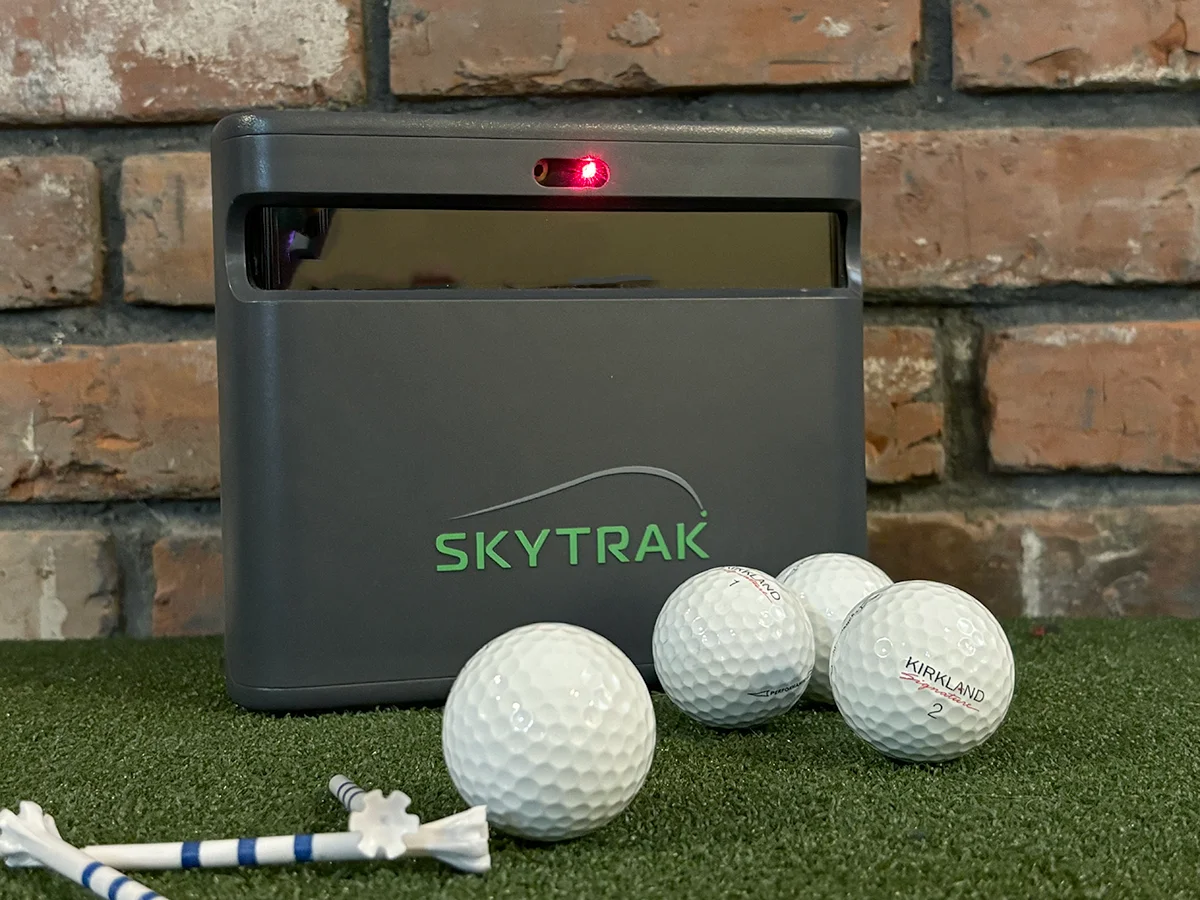
The SkyTrak ST Max eases the pain as well as anything on the market right now. It’s a modern launch monitor with accurate ball and club data, and it's been on sale for as little as $1,695.
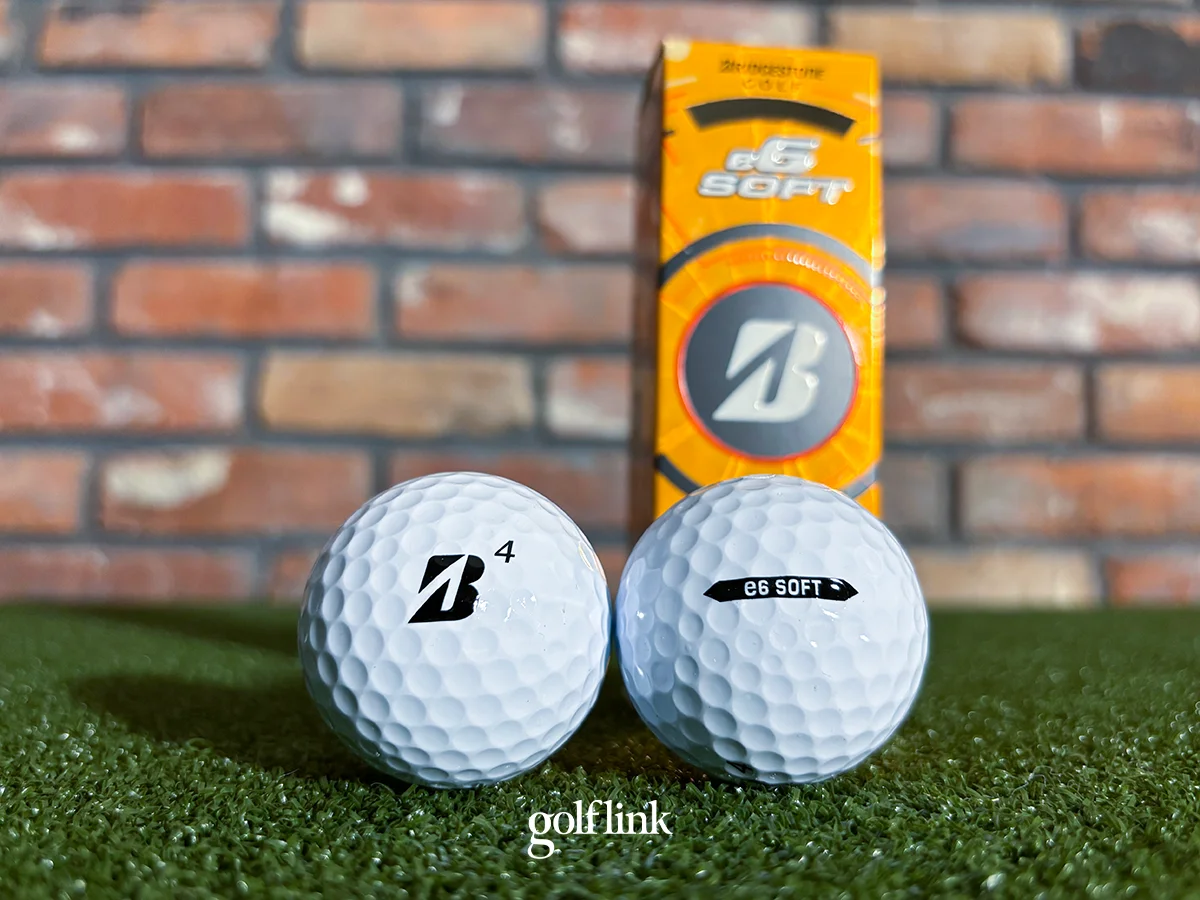
I've used the ST Max weekly for months now to conduct equipment testing, as a warm-up station before rounds, and an at-home range when I can't get out to a course. Most recently, I used it to test 43 different golf balls across driver, 7-iron, and wedge tests for GolfLink's ball-testing data. This is what I've learned from my experience with the SkyTrak ST Max.
How I Tested
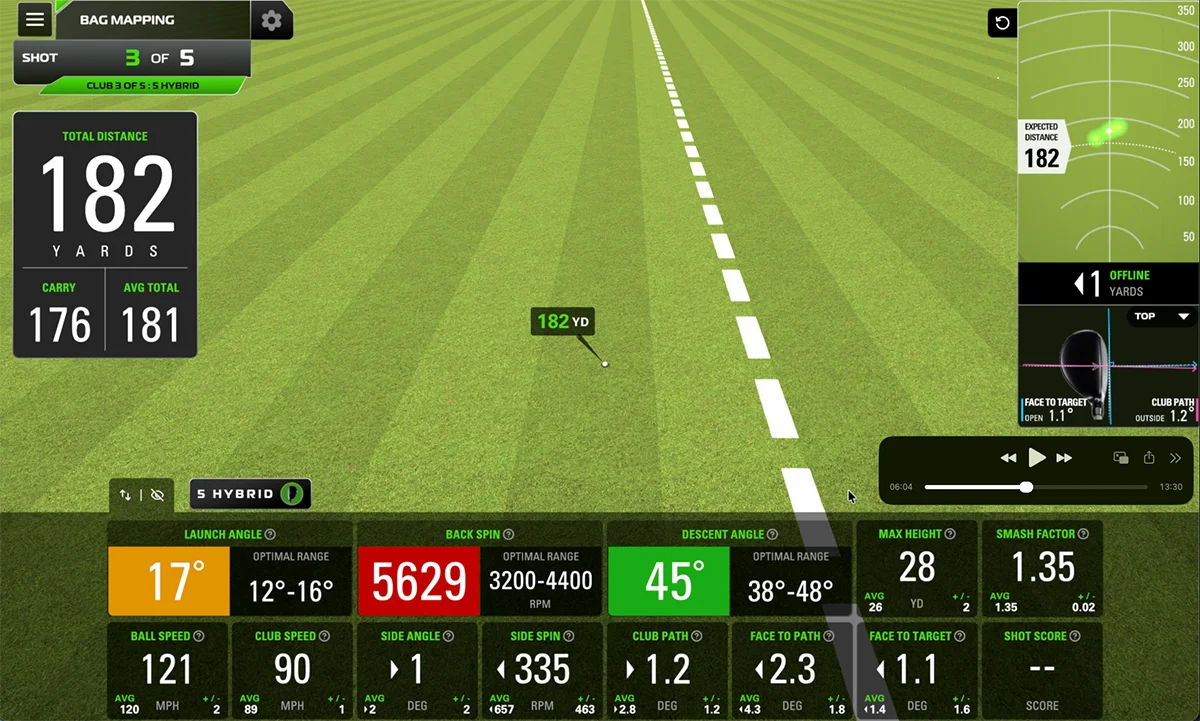
Beyond the 43-ball comparison, my week-to-week use leans on four features more than anything else: the driving range mode, speed training, bag mapping, and the wedge matrix. That's basically the full spread of what a home setup needs to be useful for something other than just hitting balls into a screen.
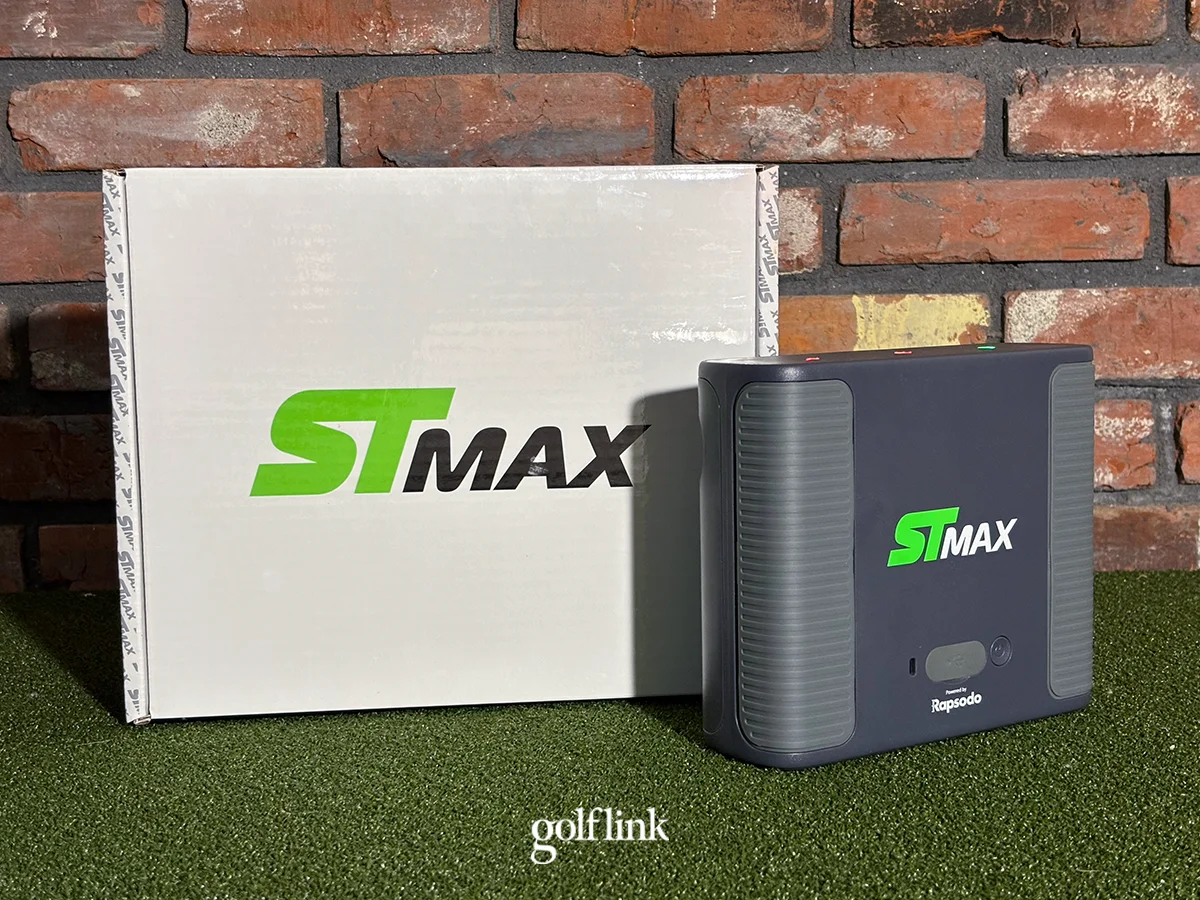
- Price: On sale for as little as $1,695 ($2,995 MSRP)
- Technology: Dual Doppler radar + photometric cameras
- Ball data: Carry distance, total distance, ball speed, back spin, side spin, descent angle, side angle, launch angle, shot shape
- Club data: Club head speed, smash factor, club path, face angle, face-to-path
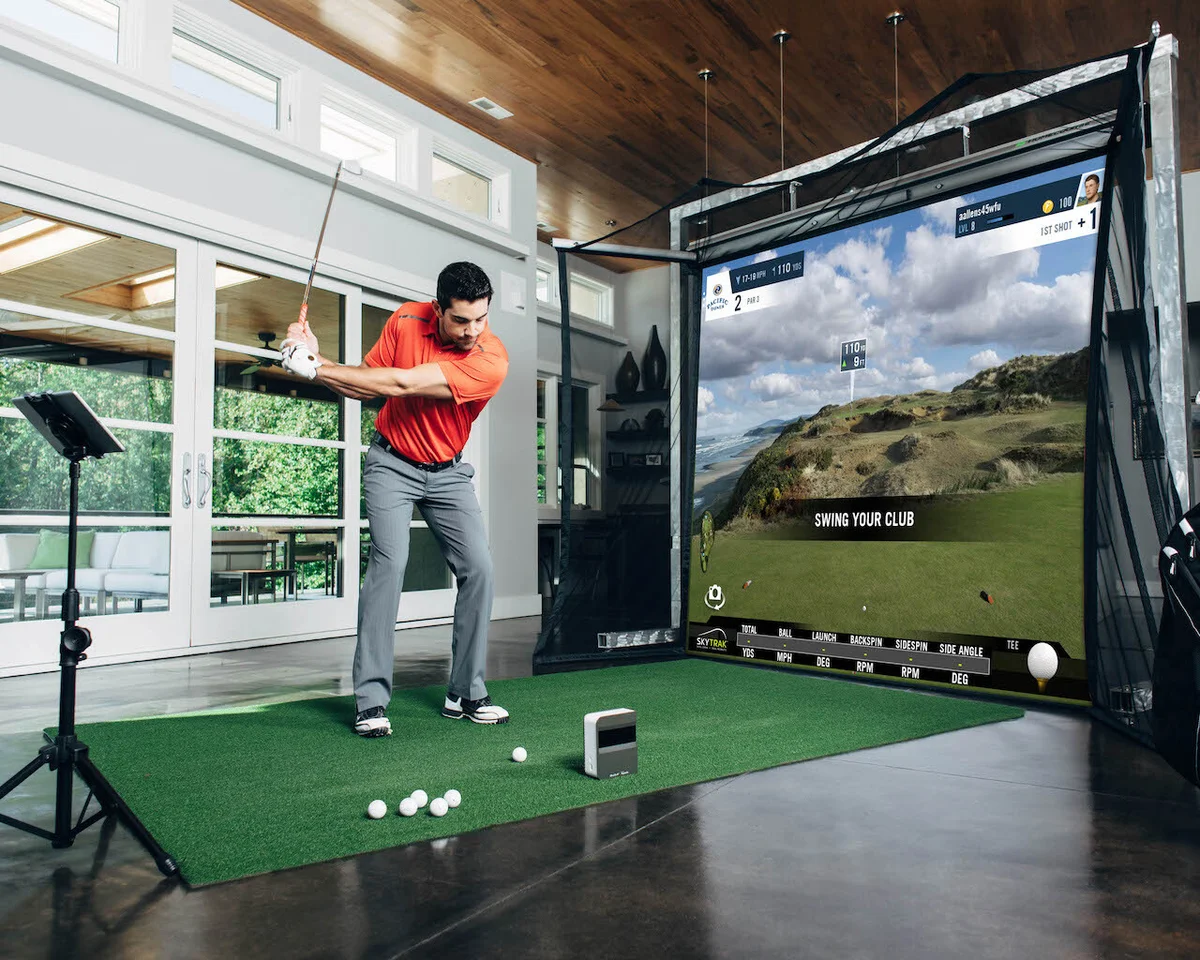
- Setup: Sits parallel to the target line rather than down it
Pros:
- Setup is quick and straightforward
- Wide range of practice modes — range, wedge matrix, bag mapping, skills assessment — cover every part of your game except putting
- Sale pricing as low as $1,695
- Accurate data that GolfTec (SkyTrak's parent company) relies on for club fitting and instruction
- Feedback is color-coded and easy to read at a glance
Cons:
- Requires an external device (I run it off a laptop that isn't dedicated to the unit, so there's a couple minutes of setup and teardown each session)
- Bright or inconsistent lighting can throw off some readings
- Subscription required for features beyond basic functionality
Accuracy
What makes the SkyTrak ST Max so compelling is that it delivers professional-level accuracy at a consumer-friendly price.
The numbers it spits out are consistent session to session, and just as importantly, they line up with what I see on the golf course. It’s not like some launch monitors that spit out a completely different version of my game than I play in real life.
I'm not the only one who trusts it: GolfTec (which acquired SkyTrak in 2022) has been a fixture in club fitting and instruction for decades and uses SkyTrak technology in every one of its 230+ locations for club fitting and instruction. Regardless of the relationship, GolfTec staking its decades-old fitting and instruction credibility on SkyTrak is proof that the accuracy bar isn't just "good enough for a garage."
Value
At the $2,995 list price, the ST Max is priced fairly for everything it delivers, but that price still puts it out of reach for a lot of golfers who'd otherwise want one. At sale prices as low as $1,695, it's one of the easier purchases you can make if you're serious about your game.
You're getting dual Doppler radar and photometric cameras — the same combination of technologies that shows up in far more expensive systems — without the price of a small used car.
Ease of Use
Setup isn't complicated, but it isn't zero-effort either. My laptop isn't dedicated solely to the ST Max, so I spend a few minutes connecting before each session and disconnecting after. If you've got a computer that lives permanently next to your hitting area, you can skip that step entirely.
The software runs smoothly the vast majority of the time. I have hit occasional freezes that required a reboot, though my laptop is five years old at this point, so the fact that I can usually get through a long hitting session without any tech hiccups is actually pretty impressive.
The feedback loop is fast and easy to digest. Key data is color-coded to instantly tell you at a glance what elements of a shot are working well, and what needs attention.
Setup and Space Requirements
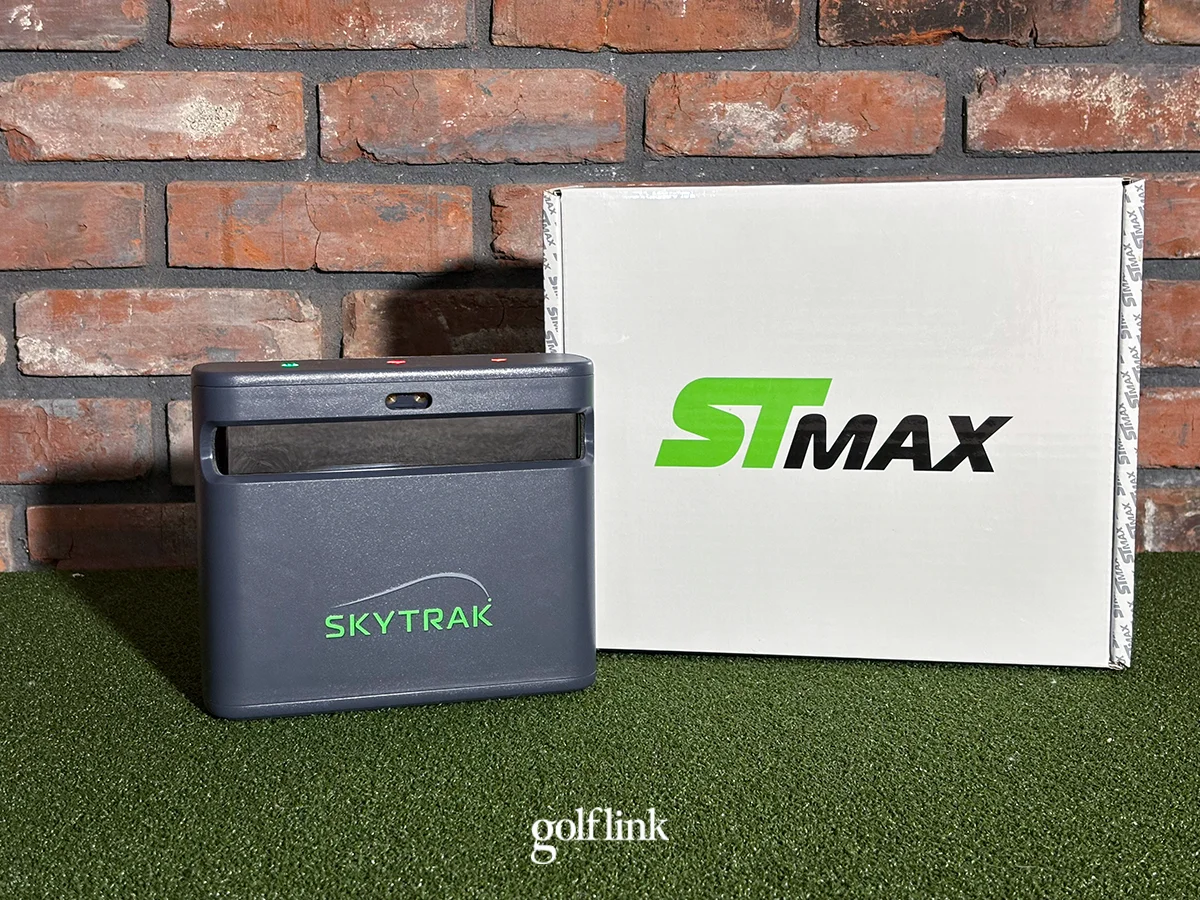
The ST Max sits parallel to your target line rather than down it, which is a small detail that can make a big difference if you're working with a tight garage or basement setup. That profile eases the space requirements considerably. The one wrinkle: if you've got both left- and right-handed golfers using the same setup, switching between them could get tedious, but that’s not an issue I’ve ever encountered as the sole user of my garage setup.
What It's Missing
The one data point I wish the ST Max tracked is angle of attack. It's one of the most common things golfers work on improving because it directly affects ball striking and launch conditions.
Strike location is a smaller miss. You can get a good read on it through smash factor, foot spray, or simple feel, so even though that’s one point that more expensive units track, its absence doesn't sting nearly as much.
The Verdict
For what you pay and what you get, the ST Max is a home run.
I've used it constantly and never get tired of it. The variety of practice modes means there's always something worth working on, and it covers essentially every part of your game except putting. If you've got the space and the budget for a home setup without going all-in on a full simulator build, ST Max is my top recommendation.
You need a subscription to unlock virtual golf and some of the deeper features, but there's plenty to keep you busy even on the free tier. At sale prices as low as $1,695, the ST Max isn't just accessible, it's arguably the best data-per-dollar you can get in a launch monitor right now.