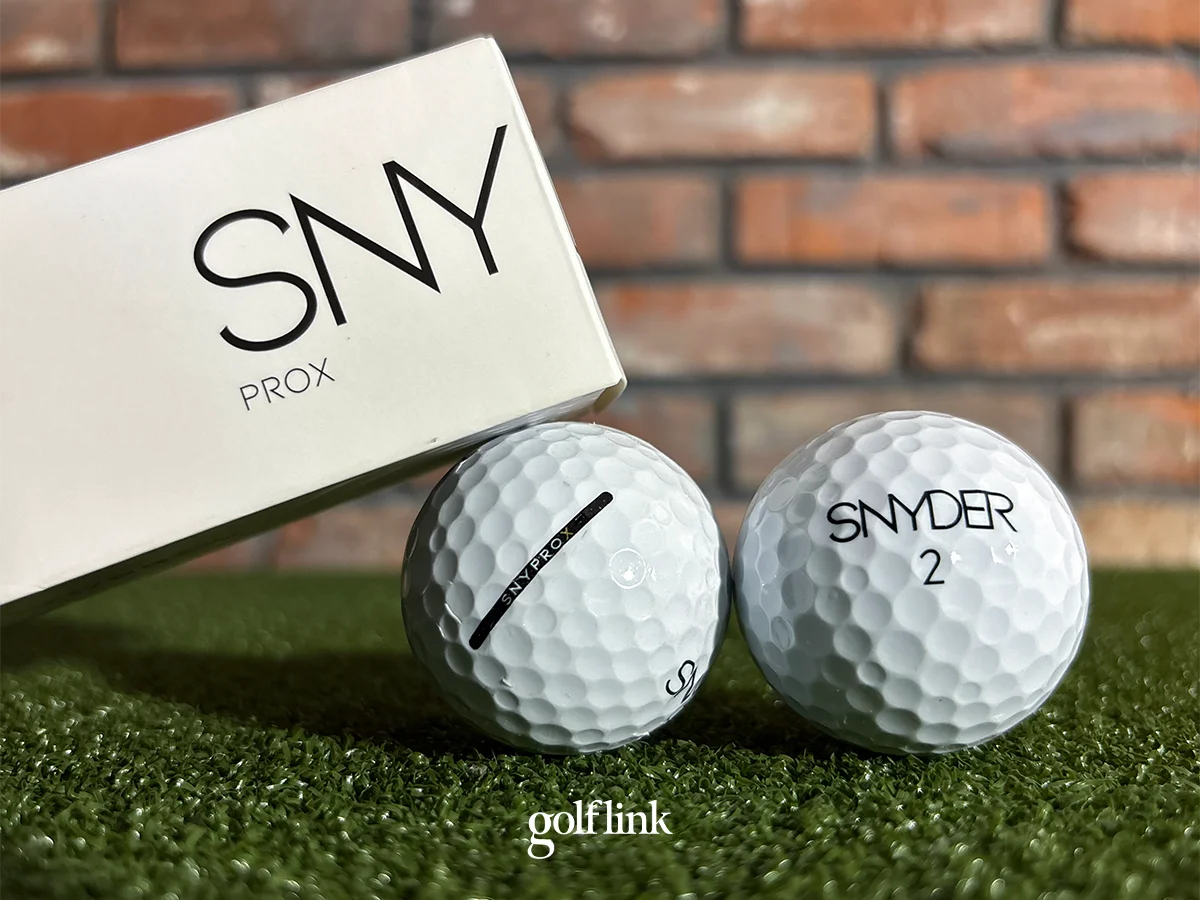
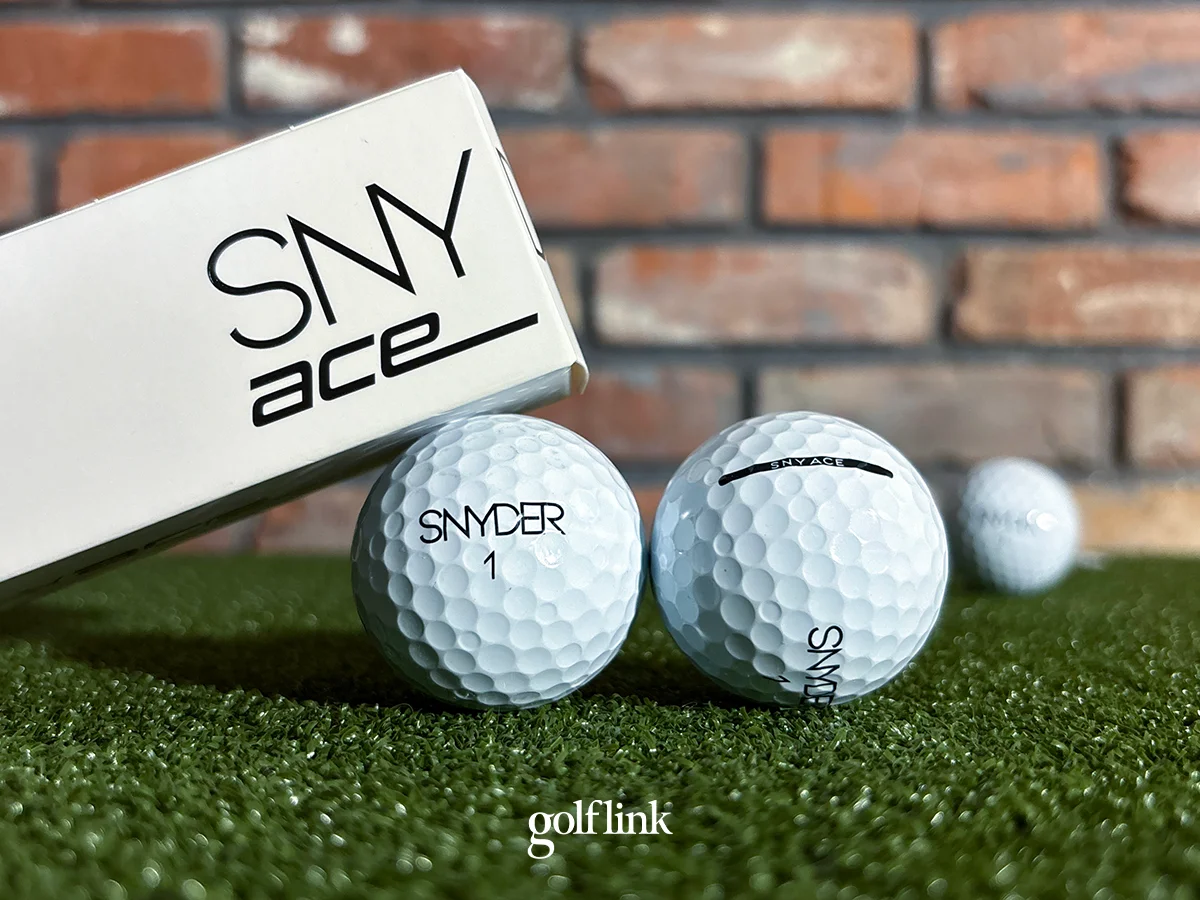
Snyder Golf leads with a blunt argument: modern golf balls are so technically similar that the performance gap between a $28 ball and a $57 ball is, for most golfers, negligible. That extra money buys more marketing than performance. They'd rather you pocket the difference.
It's a compelling pitch, but do Snyder balls back it up? We put the three-piece, urethane-covered Snyder Ace through our standardized golf ball testing to find out.
How We Tested Snyder Ace
We put the Snyder Ace through our published golf ball testing protocols using the SkyTrak ST Max launch monitor. That means human swings under strict bands for swing speed, impact quality, and delivery dynamics.
To see performance from tee to green, we test driver, 7-iron, and 50-yard wedge shots with each ball.
We tested 43 golf balls in total for 2026 then translated the raw data into 1-10 scores in the categories that matter most to your game. That lets you easily see how each ball stacks up to the field.
See the complete list of every golf ball we've tested or dive into the full Snyder Ace test data here.
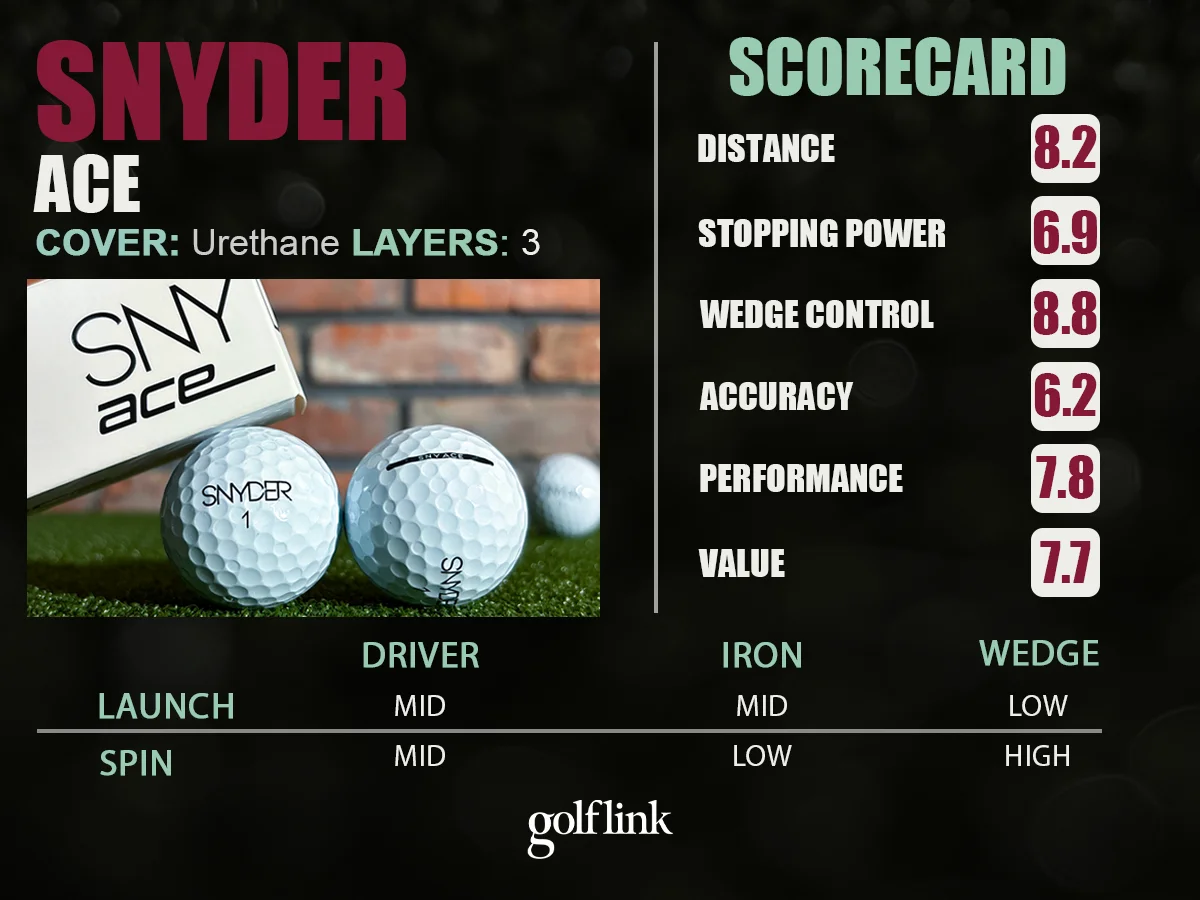
Cover: Urethane
Layers: 3 Layers
Price: $28/dozen (no bulk minimum)
Snyder's thesis holds up in some places, and falls short in others, according to our test. Ace finished 11th in distance and 12th in wedge control out of 43 balls. Those are impressive results for a ball at this price, and they support Snyder's core argument.
Where it struggles is accuracy, where Ace finished 40th out of 43 balls. That's a weakness worth knowing before you buy.
The Ace was the best-performing ball in the Snyder lineup in our testing. If you’re curious about the brand, and shopping for a urethane-covered ball, this is the one we recommend starting with.
| Snyder Ace | Spin | Launch |
| Driver | Mid | Mid |
| 7-Iron | Low | Mid |
| 50-Yard Shot | High | Low |
Distance: 8.2/10
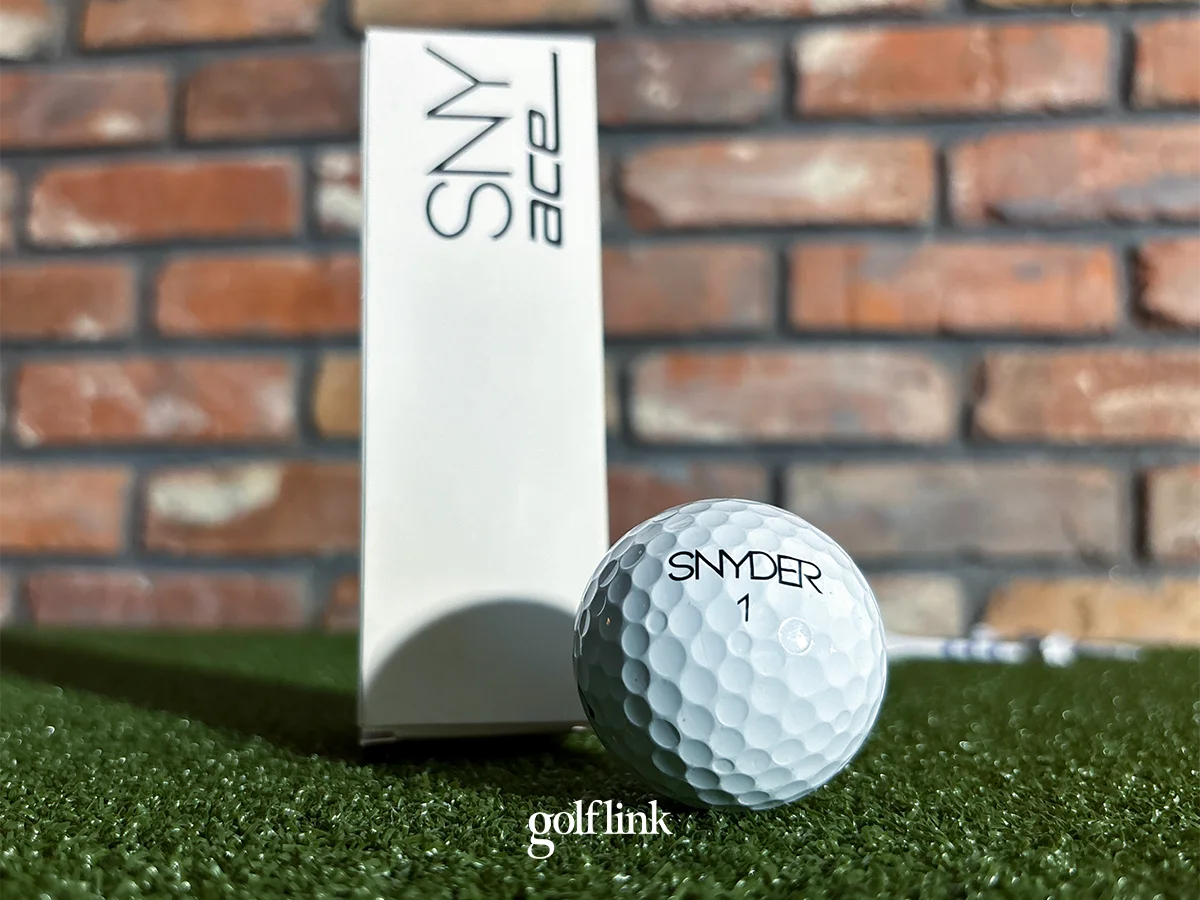
Snyder Ace posted 138.0 mph of ball speed, a top-10 speed in our entire 43-ball test. With its mid-spin, mid-launch driver profile, Snyder Ace is a blank canvas for the player to put their own trajectory and shot shape into it.
Snyder Ace displayed a penetrating ball flight with driver. Players who either seek a flatter flight, or who naturally hit it higher may see the most benefit from Snyder Ace.
| Category | Snyder Ace |
| Ball Speed | 138.0 MPH |
| Carry (yds) | 221.7 |
| Total (yds) | 243.6 |
| Distance Score | 8.2 |
Stopping Power: 6.9/10
Stopping power is where Snyder Ace gives back some of its distance gains. A shallower descent angle contributed to 11.1 yards of iron roll. Ace is more of a lower-spin ball from the irons, the 4,101 RPM in our 7-iron test is on the lower end of what we see from urethane balls.
For players who prefer to release the ball and use roll as part of their approach game, this is a feature rather than a flaw. But if you need the ball to stick where it lands, Ace is limited.
| Category | Snyder Ace |
| Apex (yds) | 23.6 |
| Descent Angle | 40.8° |
| Roll (yds) | 11.1 |
| Stopping Power Score | 6.9 |
Wedge Control: 8.8/10
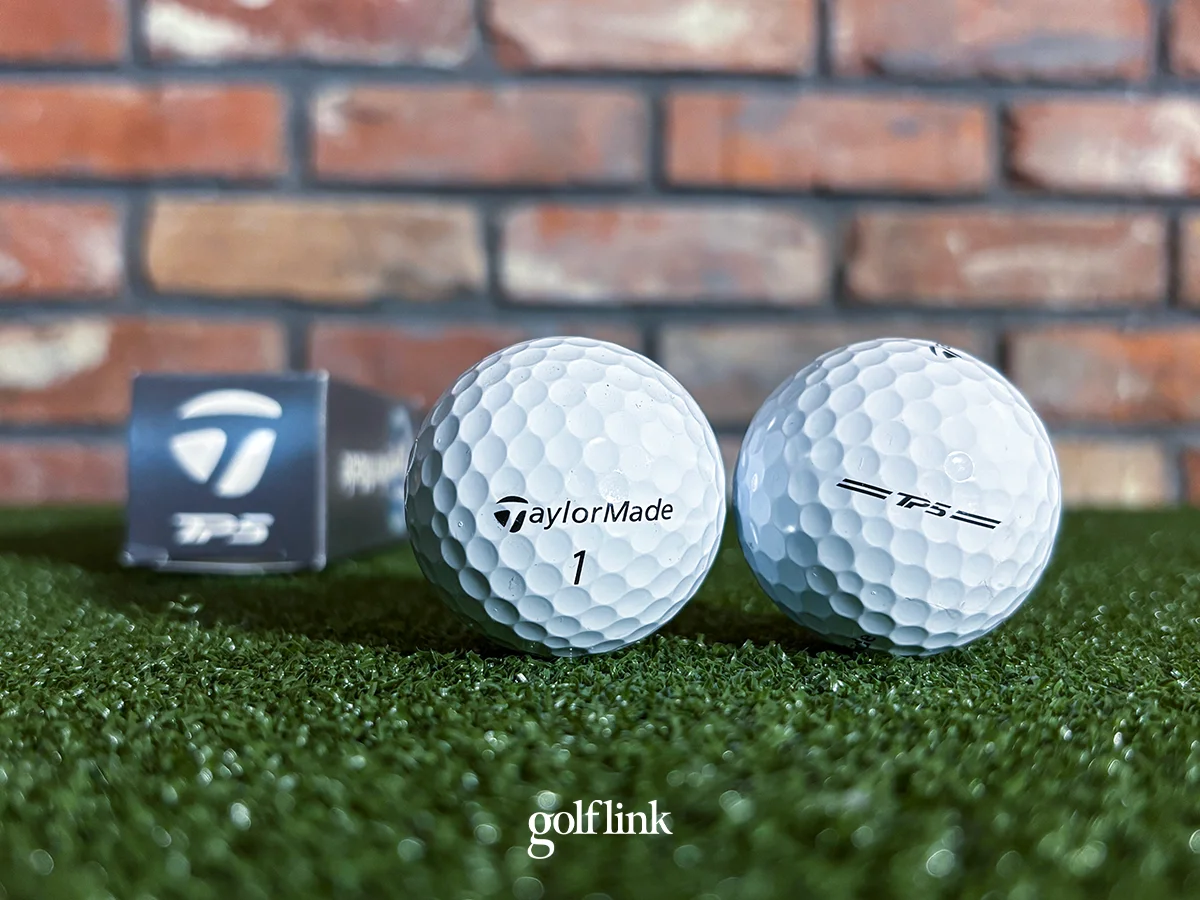
Snyder Ace makes its most compelling argument in the short game. Its 7,068 RPM of spin in our 50-yard test spin was among the top-third of all the balls we tested, edging TaylorMade TP5 and Callaway Chrome Tour. Ace’s 2.4 yards of rollout is also in the mix with many of today’s $57 tour-level balls, matching what we saw from balls like Srixon Z-Star Diamond and Callaway Chrome Tour Triple Diamond.
That high-spin, low-launch wedge combination creates control around the greens, and Snyder Ace delivers. Snyder's argument that you don't need to spend $57 to get premium short game performance checks out.
| Category | Snyder Ace |
| 50-Yard Spin (RPM) | 7,068 |
| 50-Yard Launch | 30.3° |
| Wedge Control Score | 8.8 |
Accuracy: 6.2/10
Accuracy is Snyder Ace's biggest weakness. Its 263 RPM of driver sidespin and 7.3 yards offline in our driver accuracy test were both well above average, and the results were similar in our 7-iron test. Specifically, flying 12-yards offline raised an eyebrow. No ball turns perfect shots into punch-outs, but some can fight sidespin. We didn’t see that from Snyder Ace.
If you prefer workability, or if you don’t need a ball that actively fights sidespin, this may not influence your decision. But if you’re looking for a ball that gives you a boost at tightening dispersion, our test showed this isn’t it.
| Category | Snyder Ace |
| Driver Sidespin (RPM) | 263.0 |
| Driver Offline (yds) | 7.3 |
| 7-Iron Sidespin (RPM) | 166.0 |
| 7-Iron Offline (yds) | 12.0 |
| Accuracy Score | 6.2 |
Value: 7.7/10
Our 7.7 out of 10 value score for Snyder Ace reflects its performane against its previous price of $33 in bulk. Since our test scores were finalized, Snyder has permanently dropped the price to $28 a dozen with no bulk committment required, which only adds to the value.
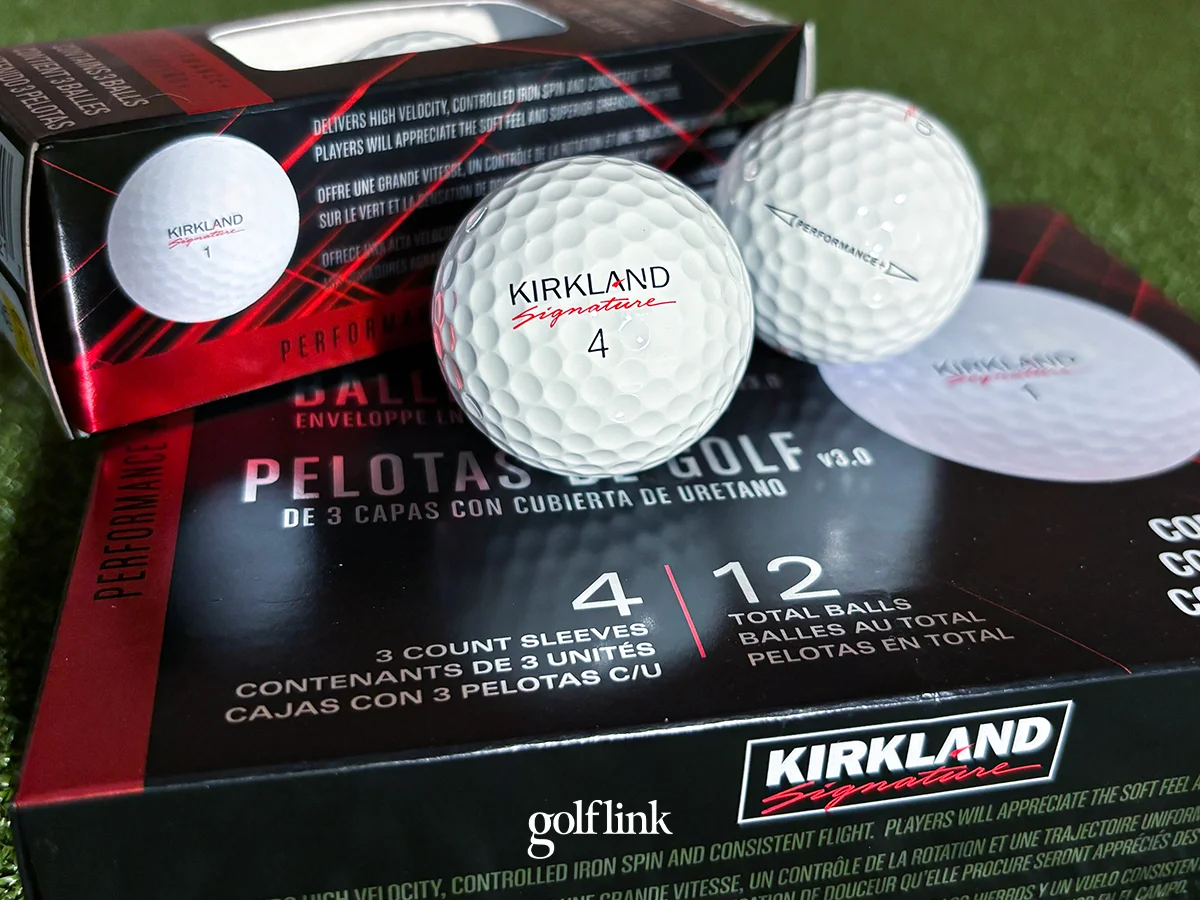
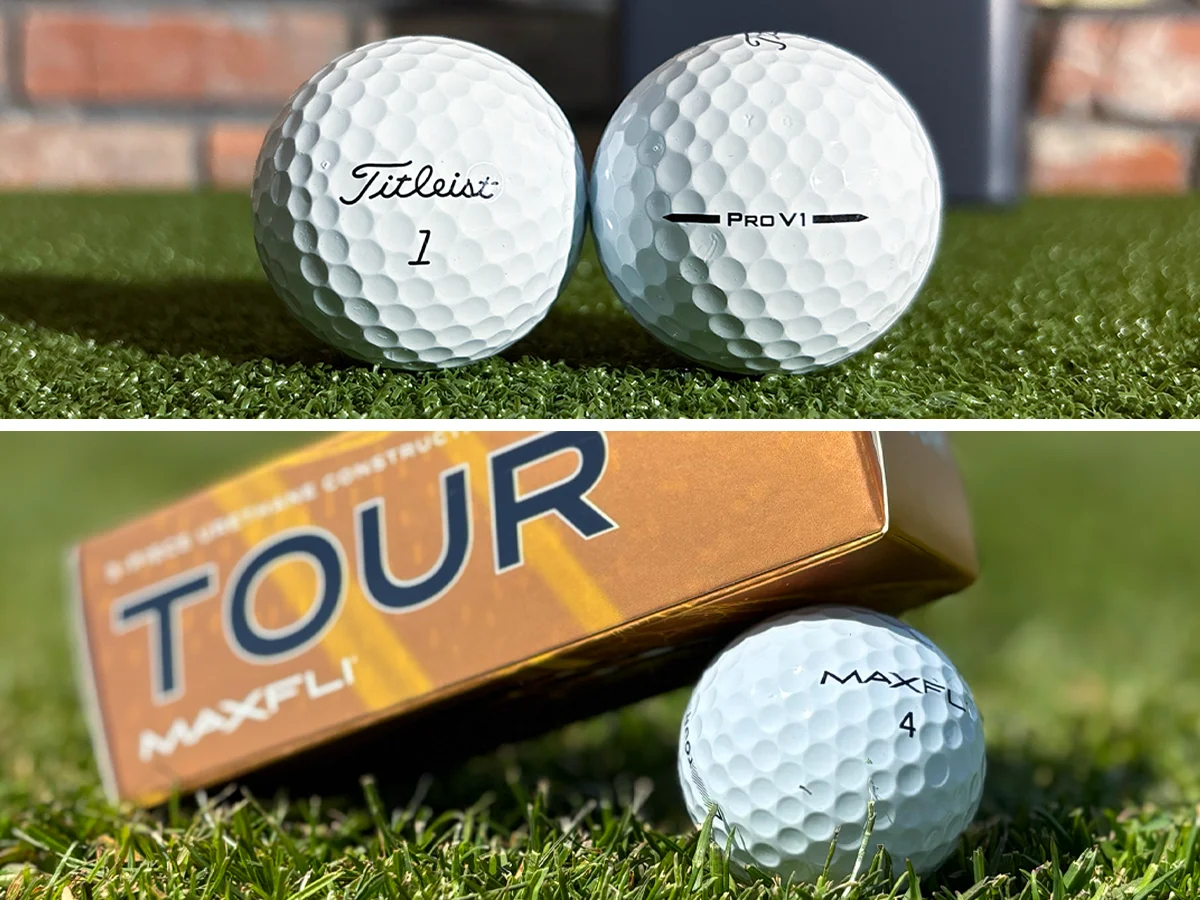
At $28 a dozen, Snyder Ace is priced below most of the urethane balls in our test.
Despite the attractive price, the Ace rounded out the top-third of balls in overall performance in our test. That confirms Snyder’s claims that at a certain point, you’re not paying for extra performance. And if you are, the gains are negligible.
Whether the accuracy tradeoff works for your game is the biggest lingering question. Snyder's 2 Round Guarantee is an enticing safety net if you're on the fence: play two rounds within 30 days, and if you don't love it, get your money back.
| Category | Snyder Ace |
| Price | $28/dozen |
| Value Score | 7.7 |
Who is Snyder Ace For?
Snyder Ace is for the golfer who's willing to try an up-and-coming brand, values short game performance, and hits the ball reasonably straight already. If you're a mid-handicapper who's tired of paying $57 for a tour ball and wants to find out just how much of a brand tax you’re paying, it’s worth taking Snyder’s argument seriously, and the Ace is the one to start with.
And if you're not convinced? There's a two-round guarantee to fall back on.