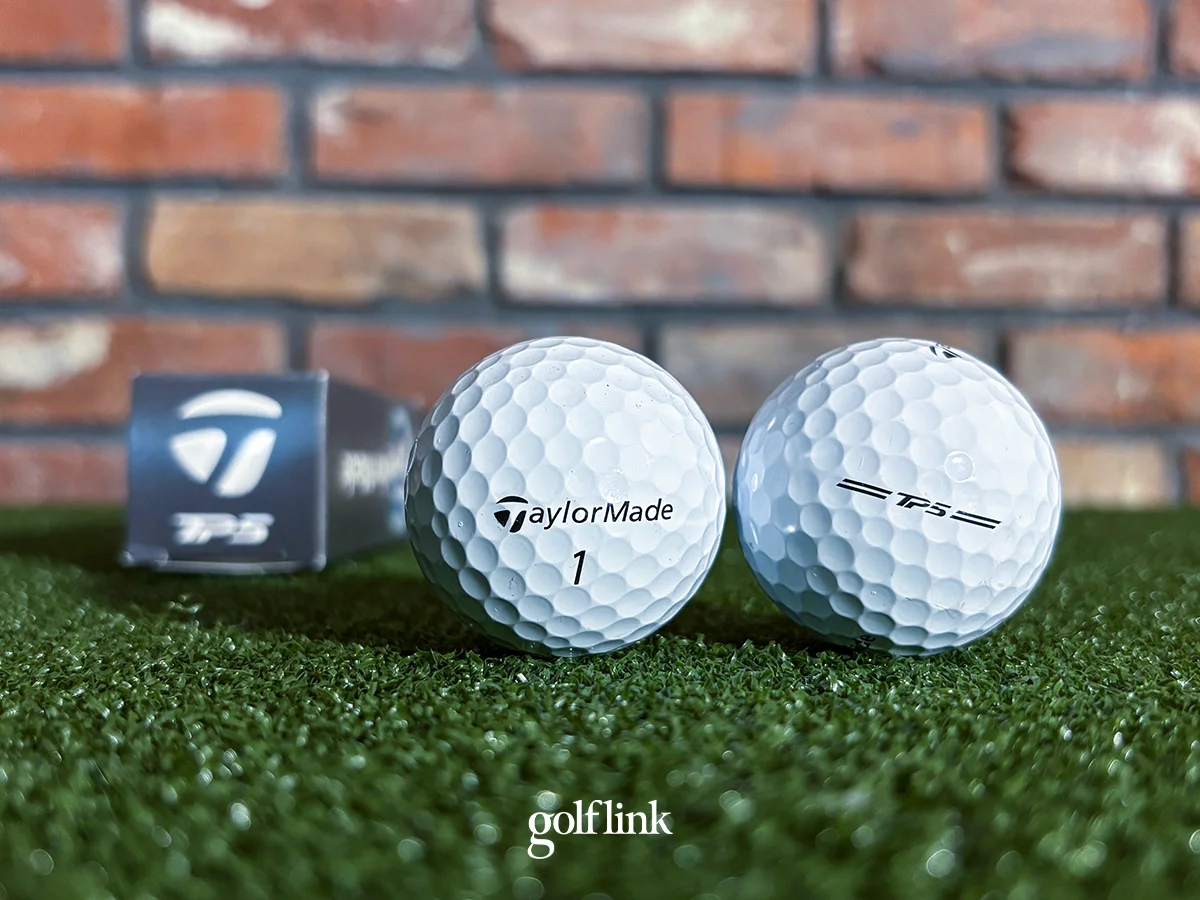
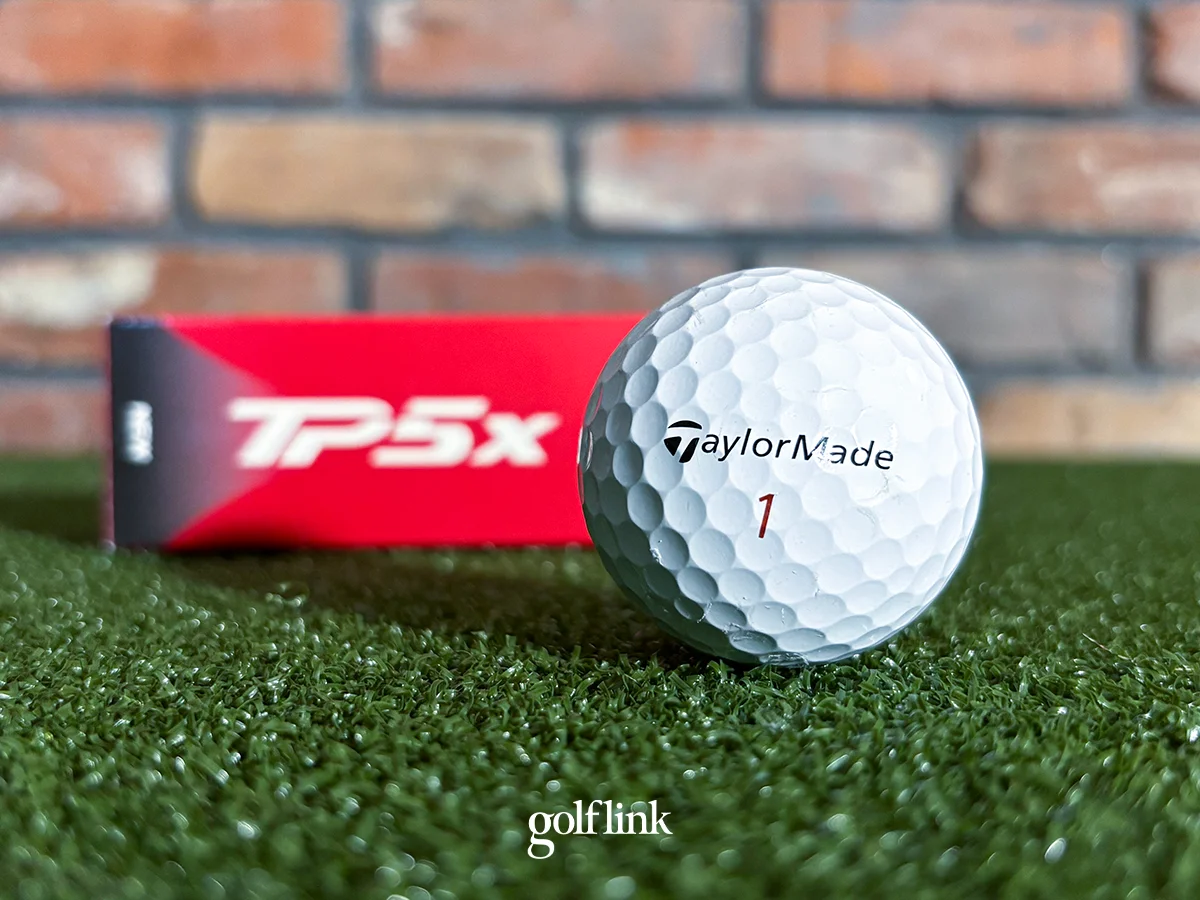
We tested the 2026 TaylorMade TP5x using our standardized golf ball testing protocol. Here are the average launch monitor results from our test.
All testing was conducted using our published golf ball testing methodology and reflects controlled human testing.
Test Setup Overview
- Launch Monitor: SkyTrak ST Max
- Ball Tested: 2026 TaylorMade TP5x
- Testing Method: Human testing within defined swing speed and impact bands
- Shots Recorded: 12 qualifying shots per club (best 8 used for averages)
- Environment: Indoor
Learn more about How We Test Golf Balls and see the list of every golf ball we’ve tested.
Driver Results
| Ball Speed (MPH) | 135.8 |
| Launch Angle (Deg.) | 16.9 |
| Backspin (RPM) | 2629 |
| Apex (Yds) | 28.8 |
| Carry Distance (Yds) | 225.4 |
| Total Distance (Yds) | 242.3 |
| Offline (Yds) | 4.0 |
| Sidespin (RPM) | 107.8 |
7-Iron Results
| Ball Speed (MPH) | 113.5 |
| Launch Angle (Deg.) | 17.5 |
| Backspin (RPM) | 4556 |
| Apex (Yds) | 23.1 |
| Descent Angle (Deg.) | 41.3 |
| Carry (Yds) | 164.9 |
| Roll Out (Yds) | 10.1 |
| Total Distance (Yds) | 175.0 |
| Offline (Yds) | 5.0 |
| Sidespin (RPM) | 139.5 |
50-Yard Shot Results
| Launch Angle (Deg.) | 30.0 |
| Backspin (RPM) | 7231 |
| Apex (Yds) | 9.0 |
| Carry Distance (Yds) | 50.6 |
| Roll Out (Yds) | 2.4 |
| Total Distance (Yds) | 53.0 |
TaylorMade TP5x Performance Notes
TP5x backs up its tour-ball reputation with one of the stronger all-around performances in our 43-ball test, finishing tied for 8th overall. Driver launch conditions stand out in particular. A 16.9-degree launch angle and 28.8-yard apex were both higher than most of the field, while producing one of the tightest dispersions we measured.
Stopping power and wedge control both crack the top quarter of the test, thanks to a 41.3-degree descent angle and 4556 RPM of 7-iron spin. At $57 a dozen, it's at the top of the price scale, which pulls its value score down to the middle of the pack. However, the on-course performance is hard to argue with.
Testing Methodology & Disclaimer
These results reflect controlled human testing within strict swing speed and impact quality bands. Individual results will vary. Small numerical differences in data may not translate into noticeable performance differences on the course.