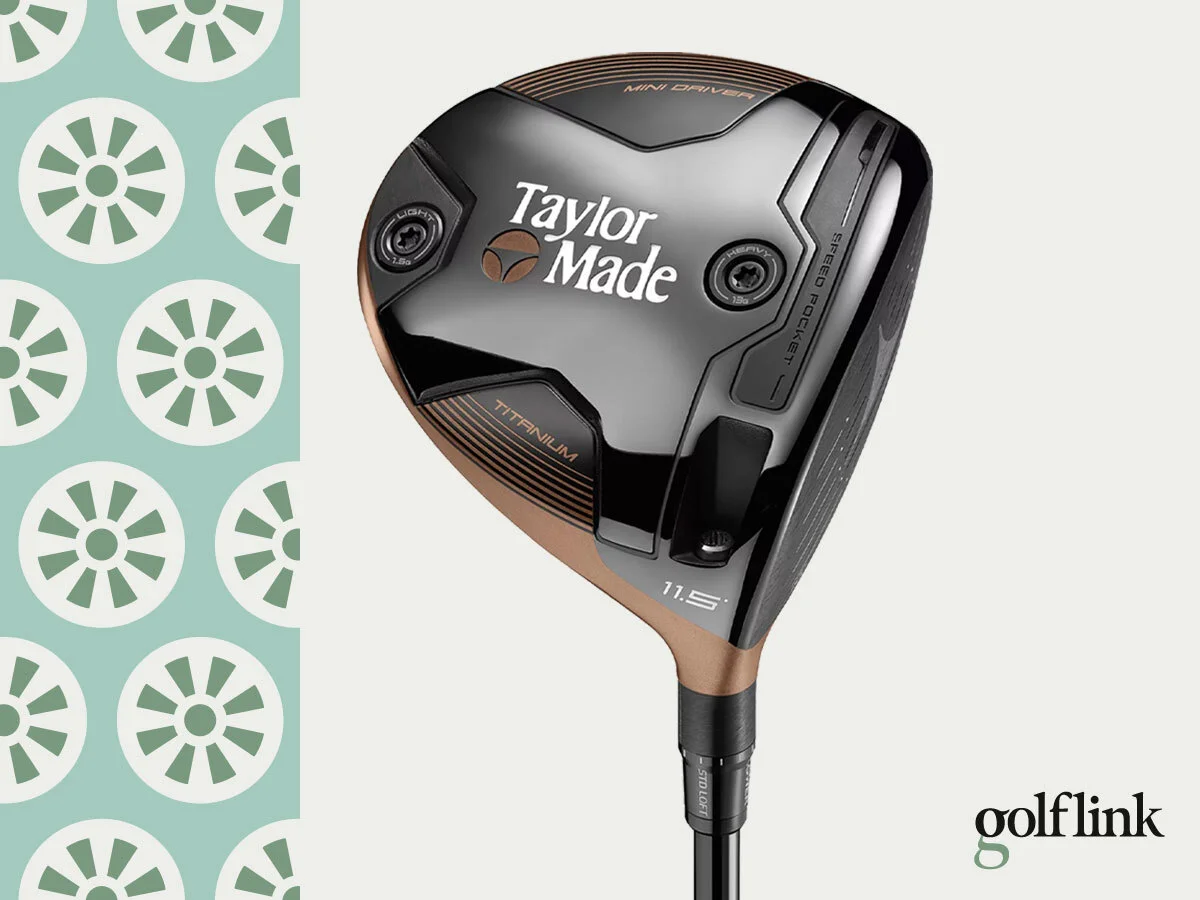
Mini drivers are having a moment, but most of them want $400 to $500 of your hard-earned money. MacGregor's new mini driver, the Mac Mini, is $249.
That makes it pretty tempting. Then our tester put it in the bag, and after giving the Mac Mini a shot, he has no plans to put his Titleist GT4 back in.
If a single-digit player can find something from this affordable mini driver that his Titleist driver couldn’t provide, could it bring some benefits to your game?
Let's get into it.
MacGregor Mac Mini Driver Specs and Pricing
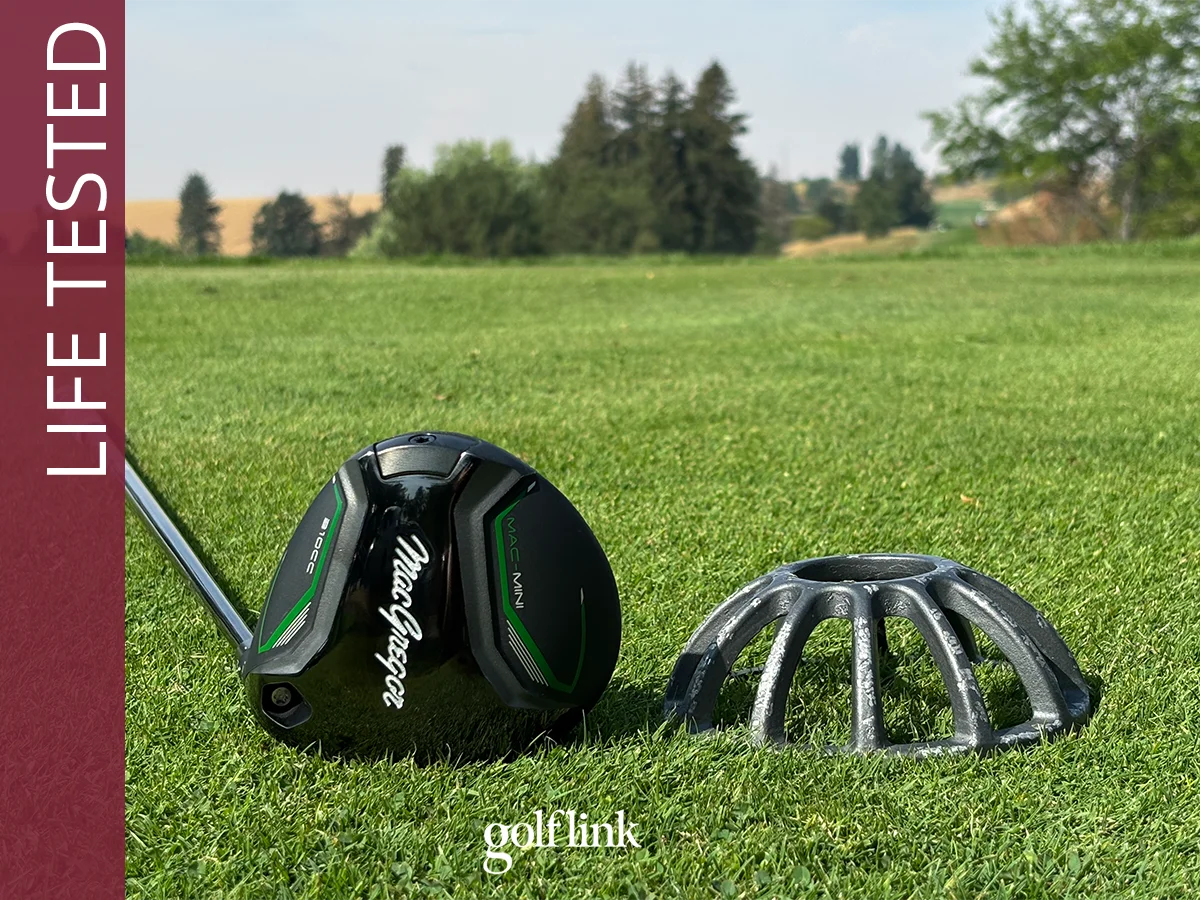
The MacGregor Mac Mini costs $249. If you haven’t paid much attention to the category, that’s $300 less than most top-end competitors, and easily $200+ lower than the next tier. Not only that, but mini drivers are actually scarce, so they’re neither easy to find nor much cheaper on the secondary market.
That’s part of what makes the Mac Mini so appealing. But what’s under the hood?
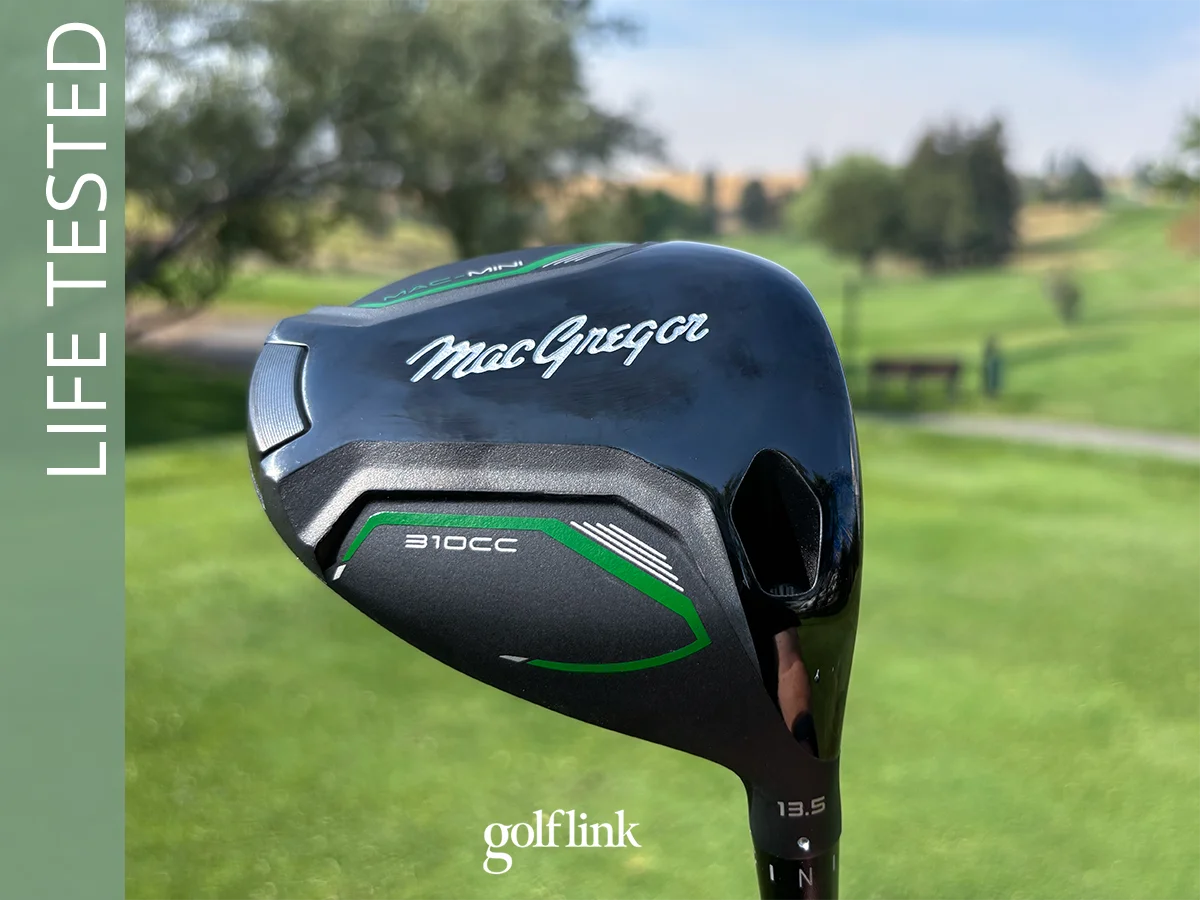
It has an adjustable loft sleeve, and our tester experimented with the settings before landing right back on standard.
The CG back, meaning it’s positioned for easy launch and forgiveness, not low spin and max distance. And while that weight can be removed with a standard wrench, it’s not movable within the driver, so you can’t reconfigure the launch and spin profile with weight, only with loft.
The standard loft is 13.5° and a standard length of 43.75 inches – 1.25 inches shorter than the full-sized Mac driver.
MacGregor Mac Mini Specs and Pricing
- Standard loft: 13.5°
- Standard length: 43.75”
- Swing Weight: D1
- Adjustable loft: Yes
- Adjustable weight: No
The MacGregor Mac Mini driver costs $249. If you haven’t paid much attention to the category, that’s $300 less than most top-end competitors, and easily $200+ lower than the next tier. Not only that, but mini drivers are actually scarce, so they’re neither easy to find nor much cheaper on the secondary market.
That’s part of what makes the Mac Mini so appealing. But what’s under the hood?
It has an adjustable loft sleeve, and our tester experimented with the settings before landing right back on standard.
The CG back, meaning it’s positioned for easy launch and forgiveness, not low spin and max distance. And while that weight can be removed with a standard wrench, it’s not movable within the driver, so you can’t reconfigure the launch and spin profile with weight, only with loft.
The standard loft is 13.5° and a standard length of 43.75 inches – 1.25 inches shorter than the full-sized MacTec driver.
Our Tester
Our mini driver tester is a 9-handicap player whose biggest strength is his iron play and biggest weakness is off the tee. He described his typical driver miss as “off the toe,” but after playing most of my golf with him over the last few years, I might describe it as off the planet. That’s not a knock. His approach play and short game always kept him around a single-digit, and I’ve always wanted to see how good he’d be when he’s hitting those shots from in position.
Before testing the mini, he used a modern 3-wood (de-lofted to 14 degrees), a long iron, or a 25-year-old steel-shafted 3-wood (essentially equivalent to a modern 5-wood) off most tees, rarely opting for driver.
That’s why he was my first call when the opportunity to test this new mini driver came along.
Rather than replacing a 3-wood, which is probably the most common move when adding a mini to the bag, our tester replaced his seldom-used driver, a Titleist GT4, and used the mini as his go-to club off the tee. He reported using it an average of nine times per round, all of them coming in off-the-tee duty (not off the deck).
Accuracy: This Is the Whole Story
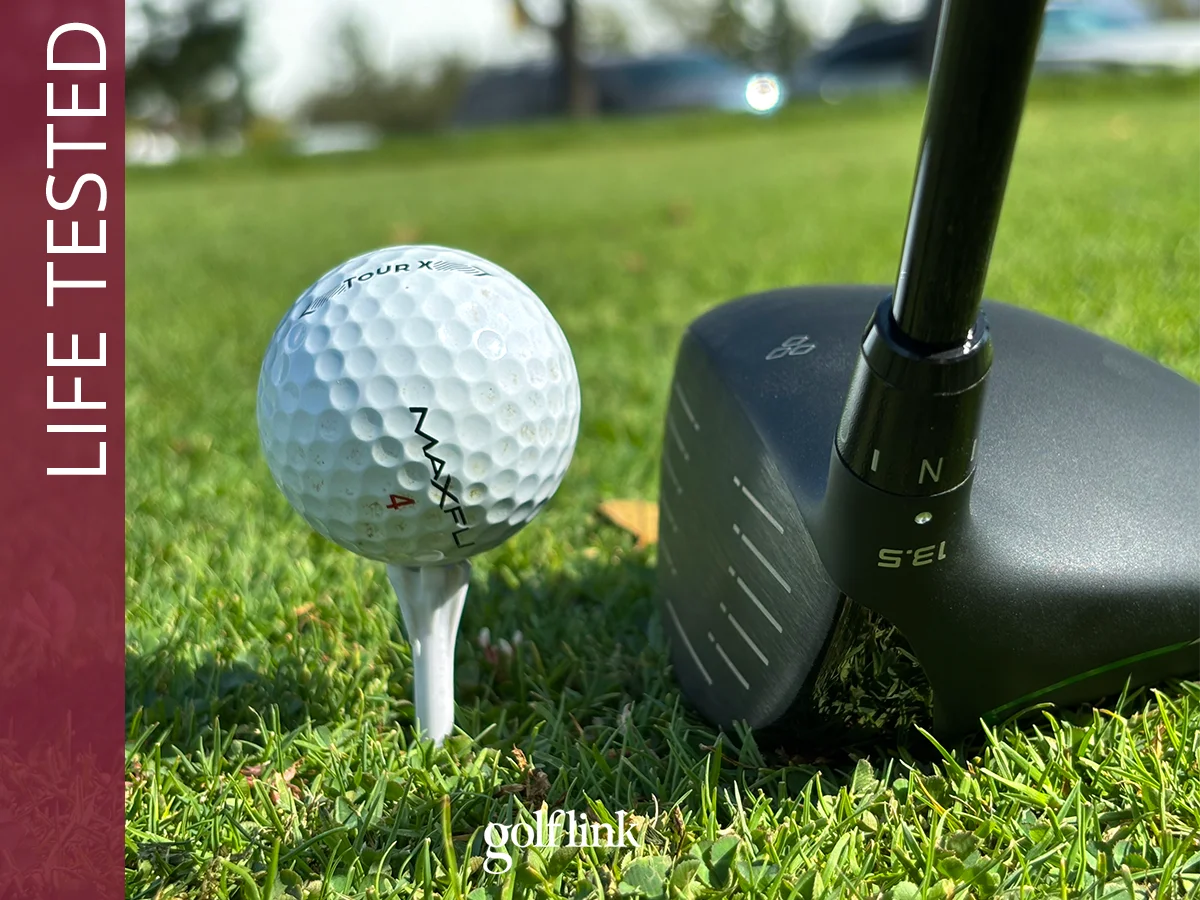
We asked our tester to rate the Mac Mini on a scale from 1-5 against his driver and his 3-wood in a couple categories. For all of them, “1” meant much worse, “3” meant about the same, and “5” meant much better.
Against his own driver, he rated the Mac Mini’s accuracy a 5. Against his 3-wood, a 4.
When his driver miss went bad, it wasn’t just in the rough, it usually ended up on a completely different hole. The mini driver tightened that miss considerably, which multiplied his scoring opportunities from his irons, playing right into his strengths. This is a prime example of how a shorter club with more control can lead to lower scores, and it should start to give you an idea of whether you’re the type of player who could benefit from a mini.
He also noted that the mini driver was lower-launching and lower-spinning than his driver, which is worth a caveat. On paper, a mini driver's profile should spin more than a full driver, all else being equal. But his driver was launching high with a excess sidespin and little control. So "less spin" here isn't as much of a spec-sheet claim as it is an illustration that switching to a mini driver gave him the control and consistency he was searching for from the big stick.
If your driver launch and spin are already in the optimal ranges, you shouldn’t necessarily expect lower launch and spin from a mini, but if you don’t have great control over the ball flight with driver, the mini could deliver.
Distance: Be Honest With Yourself
Our tester rated the total distance with the mini driver compared to his driver a 2 out of 5. As expected, it's a little shorter.
Against the Qi35 3-wood, he rated distance a 3, or about the same. That turned out to be his biggest gripe: he wasn't bagging extra distance over a modern 3-wood. The one thing he said he would have liked to see from the Mac Mini was "a little more heat off the face."
That frames the performance in context most golfers can relate to. Similar distance to a modern 3-wood with accuracy that surpasses both driver and 3-wood from a club that’s more forgiving.
Whether that trade works for you depends entirely on how much trouble your driver gets you into, or how much your top-end driver distances gain you.
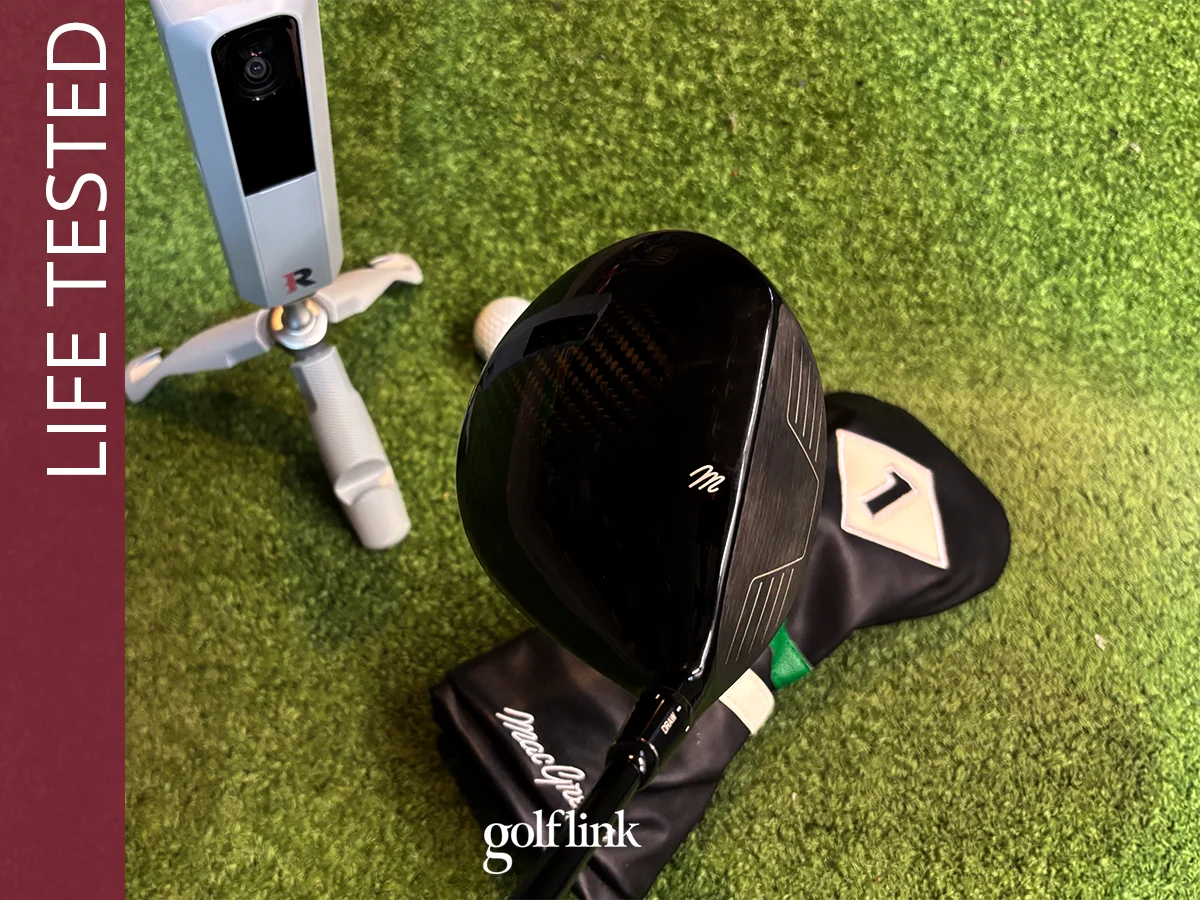
Feel, Sound, and Forgiveness
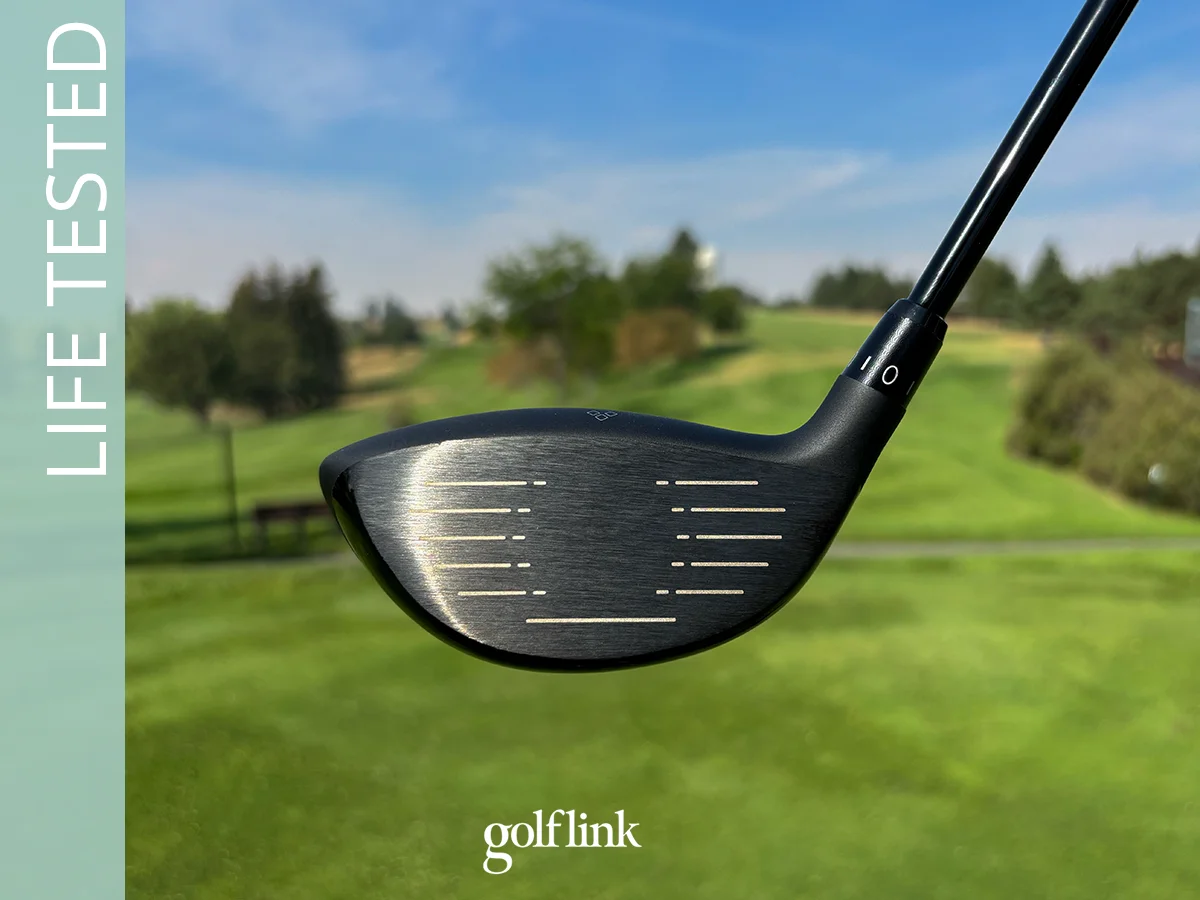
Our tester described the feel at impact as much crisper than both his driver and his 3-wood. The sound he called clean, not tinny. For a $249 club from a DTC brand, that's better feedback than I expected.
Forgiveness on off-center strikes rated better than both the driver and the 3-wood. That's the mini driver's actual pitch in one line: a face bigger than your 3-wood's on a head smaller than your driver's. Our tester specifically called out the smaller profile at address as a confidence builder, plus the ability to tee it low and swing it like a 3-wood while still getting driver-ish results.
He did not hit it off the deck. If that's your primary reason for considering a mini driver, we don't have data for you here.
His one aesthetic complaint: the MacGregor logo, in his words, "is not very inspiring." At $249 you can decide how much that bothers you.
Value: 5 Out of 5
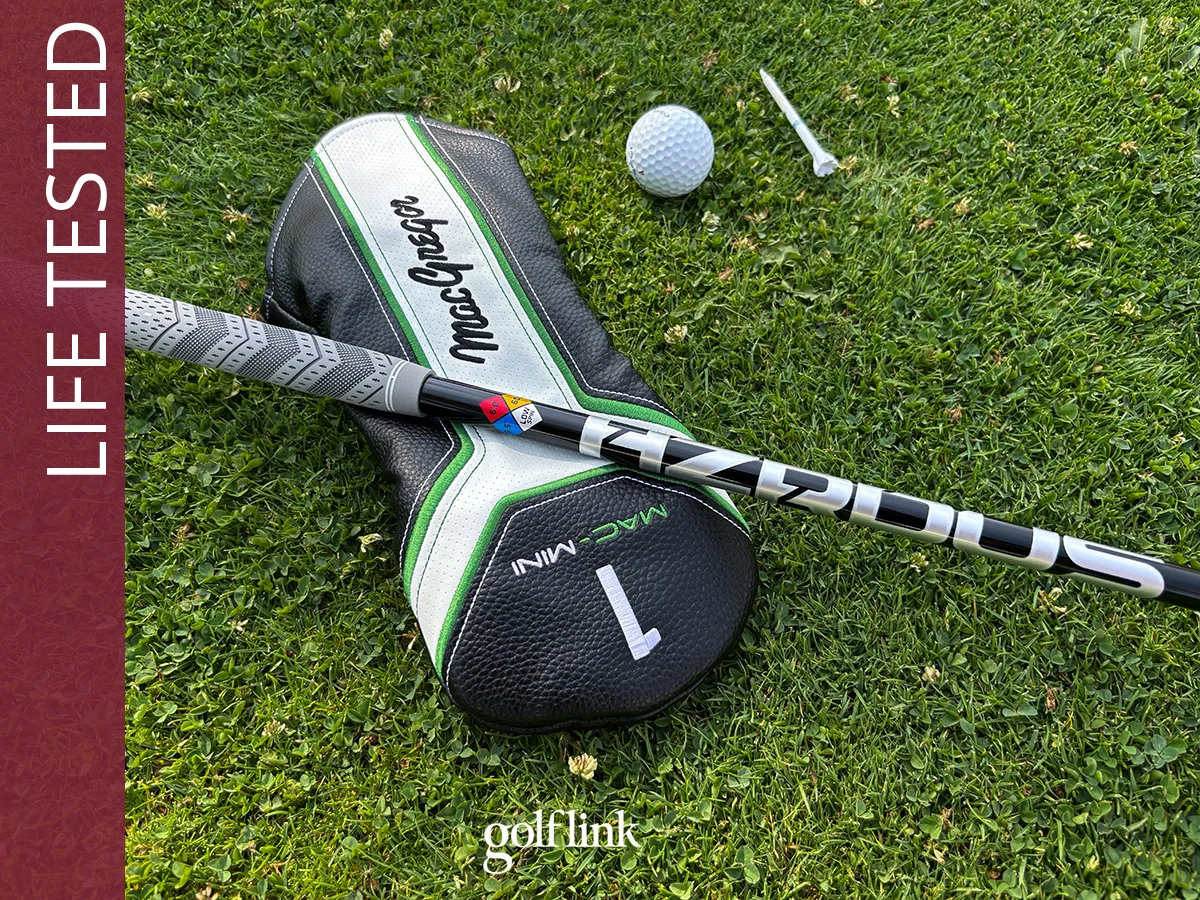
He rated the $249 price a 5. After what we’ve already learned about the competition’s pricing and how the mini played into his specific strengths and away from his specific weaknesses, that should be no surprise. But MacGregor didn't cut corners in order to deliver a consumer-friendly price. The Mac Mini comes standard with several shaft selections from Project X and UST, with grip options from Winn, Lamkin and Golf Pride, and free length customization.
Also not surprising, he reported that the mini driver has a home in his bag, and is "not leaving for the foreseeable future."
The Verdict: Who Should Buy It
Buy this if your worst shots with driver or 3-wood are costing you more than your best ones are helping.
The truth is, completely replacing your driver with a mini – as our tester did – isn’t the most common use case. It’s more likely that players keep their driver and replace their 3-wood. If either one of those clubs tends to put you in trouble off the tee, replacing one with a mini driver could keep you in play without costing you meaningful distance.
As a decent iron player who can't trust driver, the mini driver made a big difference in our tester’s game.
Also, if you've been curious about the mini driver surge recently but can’t justify $450 to experiment, the $249 alternative is an accessible way to answer "would a mini driver help me?"
If you already control your driver well, then adding mini might not make a difference in your game. If you're finding fairways and your misses are playable, mini driver takes distance away in exchange for something you already have.
If you’re looking for every last yard to fill the gap between driver and 3-wood, this probably isn’t it, either. Our tester wanted more heat off the face, and he's right. This isn't a distance club. It's a get-in-play club that happens to be longer than the 3-wood you were laying up with.
Ask yourself how much you’ve cost yourself off the tee over your last five rounds. If the answer involves more penalty strokes and punch outs than you’re comfortable with, $249 is an accessible experiment.