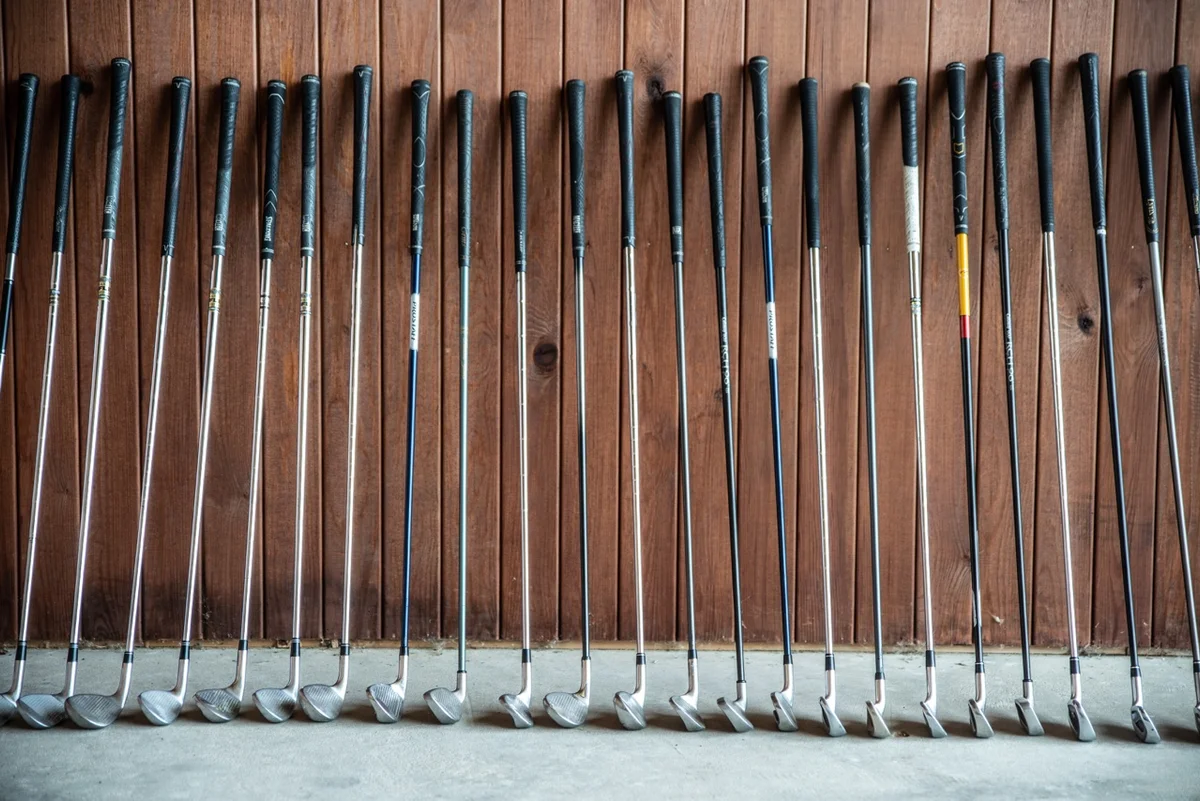
You have more options for bridging the gap between your driver and 6-iron today than ever before. In fact, in today’s world, it’s considered unorthodox to employ a 3-iron, and even the 4-iron is creeping into the vulnerable territory.
No club is safe. Two decades ago (or was it three?), easier-to-hit hybrids put long irons on notice, but now even-easier-to-hit high-lofted woods are coming for hybrids.
In the last decade, the 7-wood has become normalized on the PGA Tour, and now it’s the 9-wood’s turn.
Seriously, a 9-wood? Here are nine good answers to your 9-wood questions.
9 Wood Quick Facts
Before we jump into the details of the 9-wood, here’s the quick and dirty list of the important facts.
- Loft: 24 degrees
- Length: 41.5 inches
- Iron equivalent: 4-iron
- Hybrid equivalent: 5-hybrid
- Shot profile: High launch, steep descent angle, flies far and stops quickly
- Forgiveness: High
- Versatility: High
- Achilles Heel: Wind
- Player profile: All skill levels, from high-handicap to tour players, have found benefits of 9-woods
1. Who Sells 9-Woods?
Model
Shop
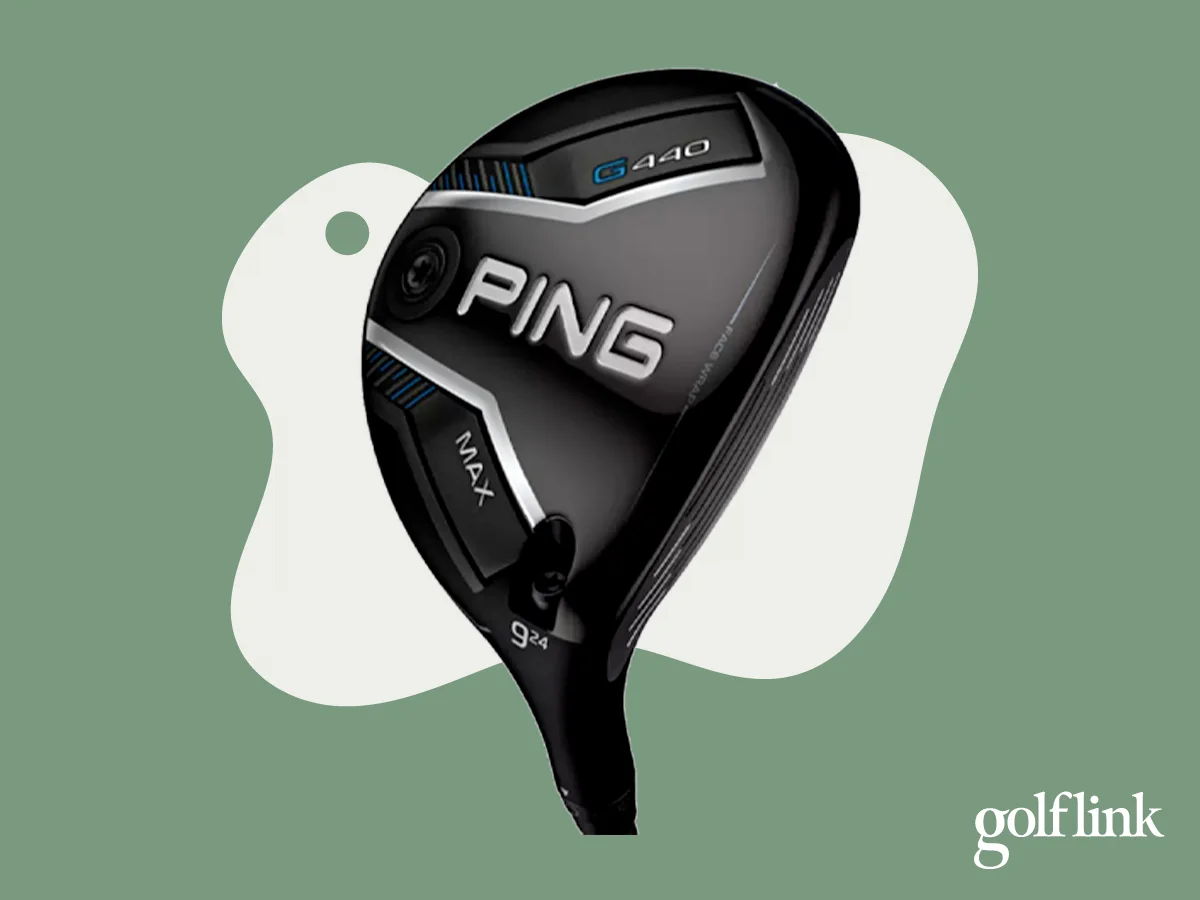
PING G440
PXG Black Ops
XXIO 13
Callaway Elyte
TaylorMade Qi35
Cleveland Launcher
Tour Edge HL E524 OS
Callaway Big Bertha REVA
Sub 70 959X
Cobra DS Adapt Max
Maltby KE4 TC Pro
You’re about to learn more than you ever wanted to know about the 9-wood, and if you find yourself tempted to toss one in the bag, here’s your fair warning that they’re not as easy to come by as your typical 3-wood.
The good news is that, especially for right-handed players, 9-woods are becoming more popular. Sadly for us southpaws (myself included), four out of every five 9-woods are only available in right-handed models.
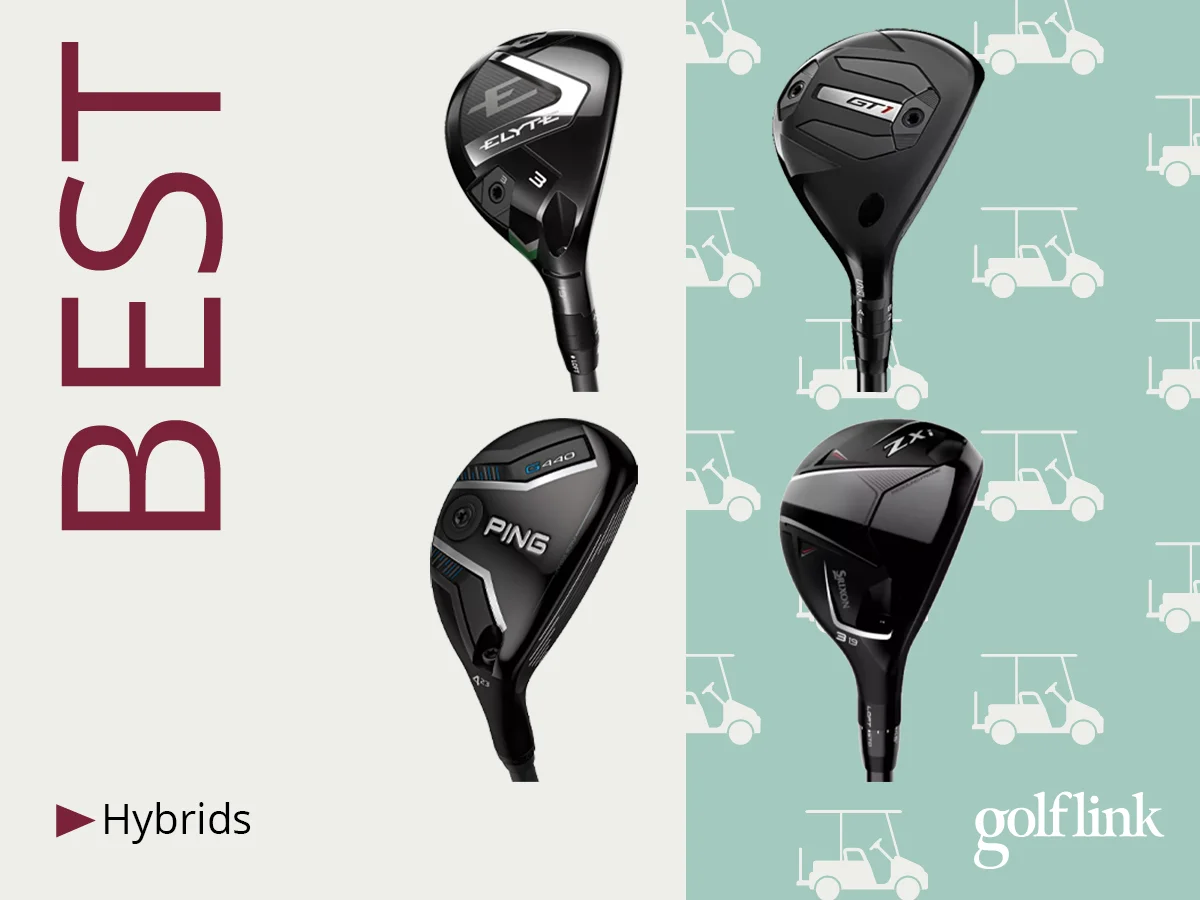
Here’s a quick list of the 9-woods in the current cycle.
2. What Loft is a 9-Wood?
The standard loft of a 9-wood is 24 degrees, and with adjustable hosels on many fairway woods these days, you can usually dial in the loft up or down a degree or two from there.
For comparison’s sake, that loft is similar to what you would find on a 5-hybrid or a 5-iron.
3. How Long is a 9-Wood?
The standard 9-wood length is 41.5 inches, which makes it about an inch and a half shorter than a standard 3-wood. Here's how that compares to alternative clubs:
- 5-iron: 38-inches
- 5-hybrid: 39-inches
- 7-wood: 42-inches
The longer a club is, the more clubhead speed you will generate, which, delightfully, opens the door for more distance. And that leads us to our next question.
Read More: Should You Have a 7-Wood In Your Bag?
4. How Far Does a 9-Wood Go?
At roughly the loft of a 5-iron (my 5-iron, at least) but three and a half inches longer, with a lighter shaft, and a much larger head, how far should you expect a 9-wood to go?
The specific answer to that depends on your swing speed, the quality of the strike, and so many other granular data points like dynamic loft, spin, spin axis, yada yada.
Here’s how that applies to your game. Individual results will vary, but generally speaking, a 9-wood will likely churn out a comparable total distance to what you would expect from a 4-iron or 5-hybrid.
Distance, however, is where the comparison to those clubs ends. A 9-wood will launch higher, peak higher, and land much steeper than its hybrid or iron counterparts. That means it’s great for holding greens from long distances, but maybe not so great on windy days.
5. What Iron Does a 9-Wood Replace?
Tempted to test a 9-wood yet? If so, you need to figure out which club it’s going to replace, assuming you already have the maximum 14 clubs in your bag.
If you’re replacing an iron, the distance profile suggests it should replace a 4-iron, especially if you often find yourself hitting a 4-iron into greens yet struggle to hold them.
While the total distance of a 9-wood is similar to a 4-iron, that only tells part of the story. The paths the two clubs take to reach that distance are quite different.
Given similar strikes, a 9-wood will carry farther than a 4-iron, but land much steeper and stop quicker. Meanwhile, the 4-iron will fly flatter and shorter than a 9-wood, but roll out farther.
6. What Hybrid Does a 9-Wood Replace?
A 9-wood would most likely replace a 5-hybrid, which also has 24 degrees of loft. Compared to a 5-hybrid, the 9-wood would produce a higher launch angle, steeper descent angle, more carry distance, and probably a little more total distance than a 5-hybrid.
If you’re not looking to hit 9-wood farther than the hybrid it’s replacing, you could also consider replacing a 4-hybrid with a 9-wood.
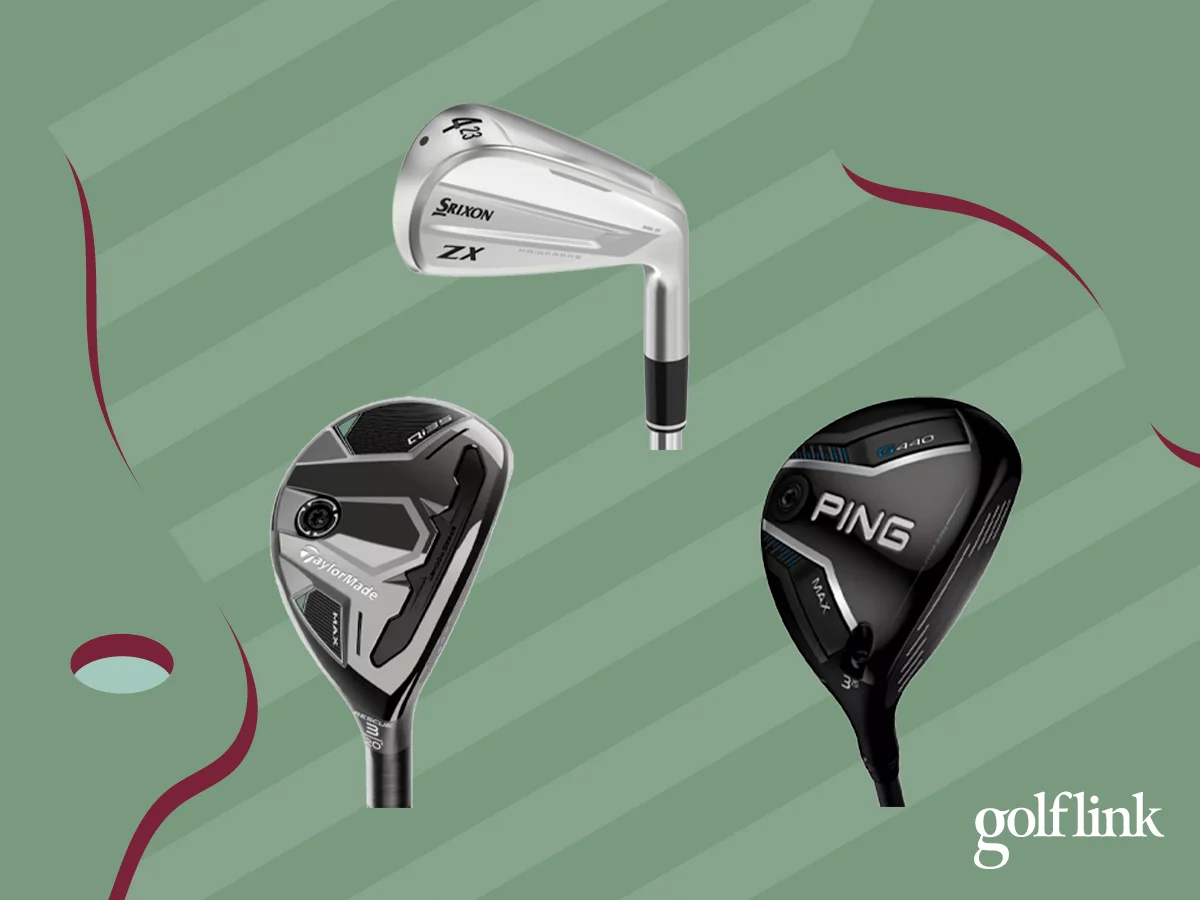
7. Why Choose 9-Wood Over the Alternatives?
Here are some reasons you might consider bagging a 9-wood instead of a 4-iron or 5-hybrid:
- More versatility: 9-wood is easier to hit out of dicey lies than the alternatives.
- Better green-holding power: It’s easier to hold greens from long distances with a 9-wood than an iron or a hybrid because it launches higher, peaks higher, and lands steeper than an iron or hybrid.
- More consistency: Players who avoid hitting their long irons because they don’t make consistent contact may appreciate replacing them with an easier-to-hit wood instead.
- More forgiveness: With a larger head and weight strategically distributed, a 9-wood is more forgiving than a long iron and even a hybrid.
However, a 9-wood isn’t for everyone. Here are a few considerations to think about before making the swap:
- High flyer: A 9-wood launches higher than the iron or hybrid it replaces, which can help some players, but if you don’t need more height from that part of your bag, then a 9-wood might not be your solution.
- Less roll: If your 4-iron is primarily an off-the-tee club and not an into-the-green club, then there’s plenty of benefit to a lower-flying, farther-rolling club in that part of your bag, and a 9-wood could result in less total distance.
- Wind factor: If you typically play in windy conditions, a high-flying 9-wood will be more impacted by the wind than a lower-flying 4-iron, which can actually make it less predictable.
8. When Should You Hit 9-Wood?
You’ve probably noticed by now that, despite sharing a loft with a 5-iron and 5-hybrid, and a distance profile with a 4-iron and 4 or 5-hybrid, a 9-wood brings a completely different set of skills to the table.
To take advantage of what a 9-wood brings to the table, you just need to learn when you should hit a 9-wood. Here are a few instances where a 9-wood can help:
- Into the green from a long distance: Likely a long par-4 or a par-5, but let’s not forget about the shot after a topped drive
- From the rough: A 9-wood is better from the rough than an iron or hybrid, which is what makes it more versatile than those alternatives
- Out of a divot in the fairway: With the sole of a fairway wood, instead of an iron, a 9-wood can be easier to hit out of a divot in the fairway
- Fairway bunkers: A 9-wood can be a great option from a fairway bunker because the shape of the head will promote clean contact instead of digging into the sand the way an iron can.
9. Do Any Tour Players Use 9-Woods?
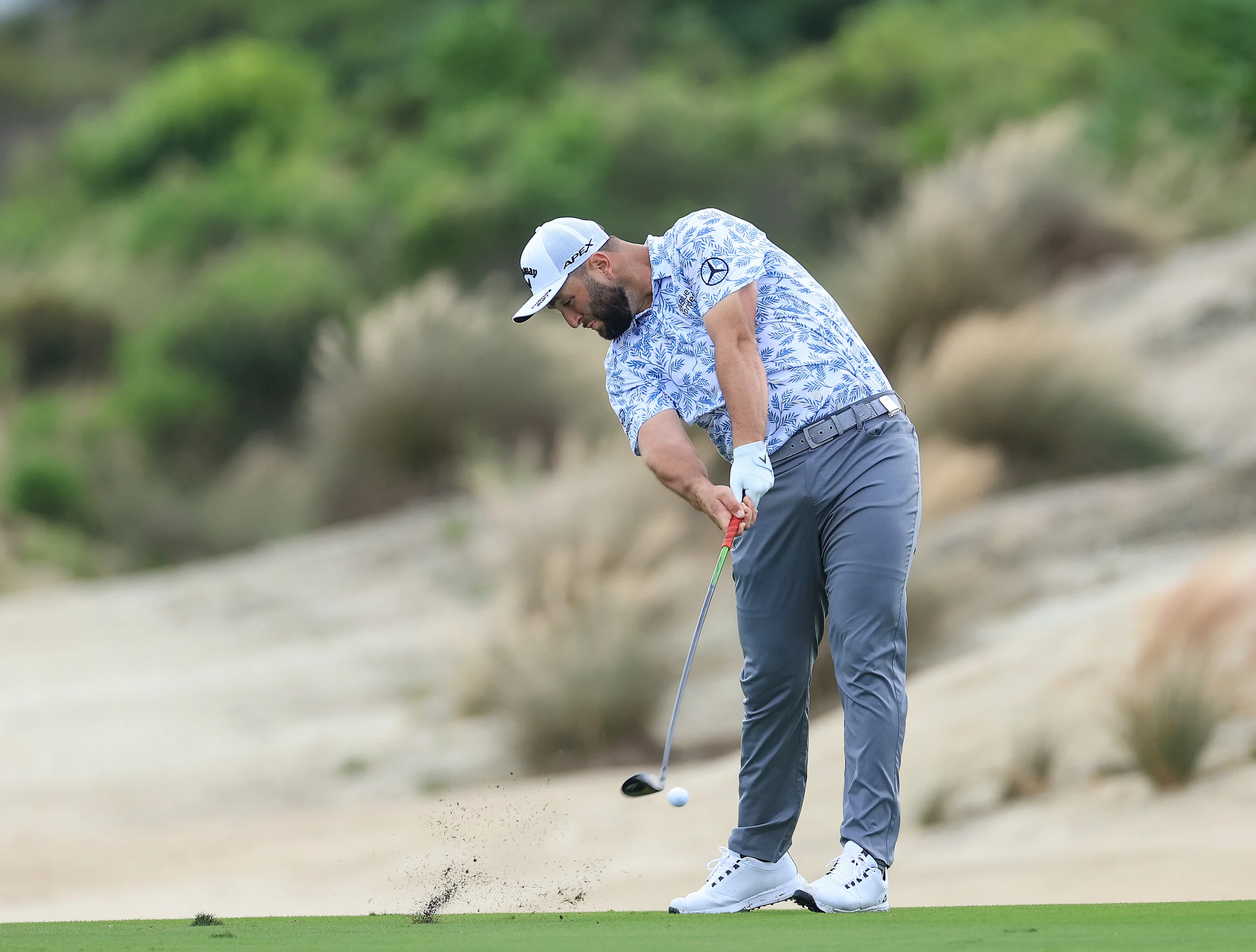
If you think a 9-wood is just for high-handicap players, you’re wrong.
Sure, there are plenty of benefits for players seeking more forgiveness, higher launch, and extra distance from slower swing speeds, but the world’s very best players are giving 9-woods plenty of play as well.
Here’s a short list of some of the top professionals who have put a 9-wood in the bag during a tournament week in the last few years.
- Tommy Fleetwood
- Collin Morikawa
- Adam Scott
- Dustin Johnson
- Michelle Wie
- Leona Maguire
The 9-Wood Takeover
Any player looking for an easier-to-hit, higher-launching, green-holding club they can rely on from long range could benefit from swapping out that 4-iron that’s been known to roll through greens or just seems impossible to catch clean with a 9-wood.